
Hospital therapy dog programs bring comfort and healing to patients during their most vulnerable moments. These carefully structured programs operate within strict medical guidelines to ensure both patient safety and therapeutic benefit. Understanding how these programs work is the first step toward joining this meaningful volunteer opportunity.
Whether you're a current dog owner considering therapy work or a healthcare professional exploring animal-assisted interventions, This guide covers everything you need to know about hospital therapy dog programs and the requirements to participate.
What Are Hospital Therapy Dog Programs?
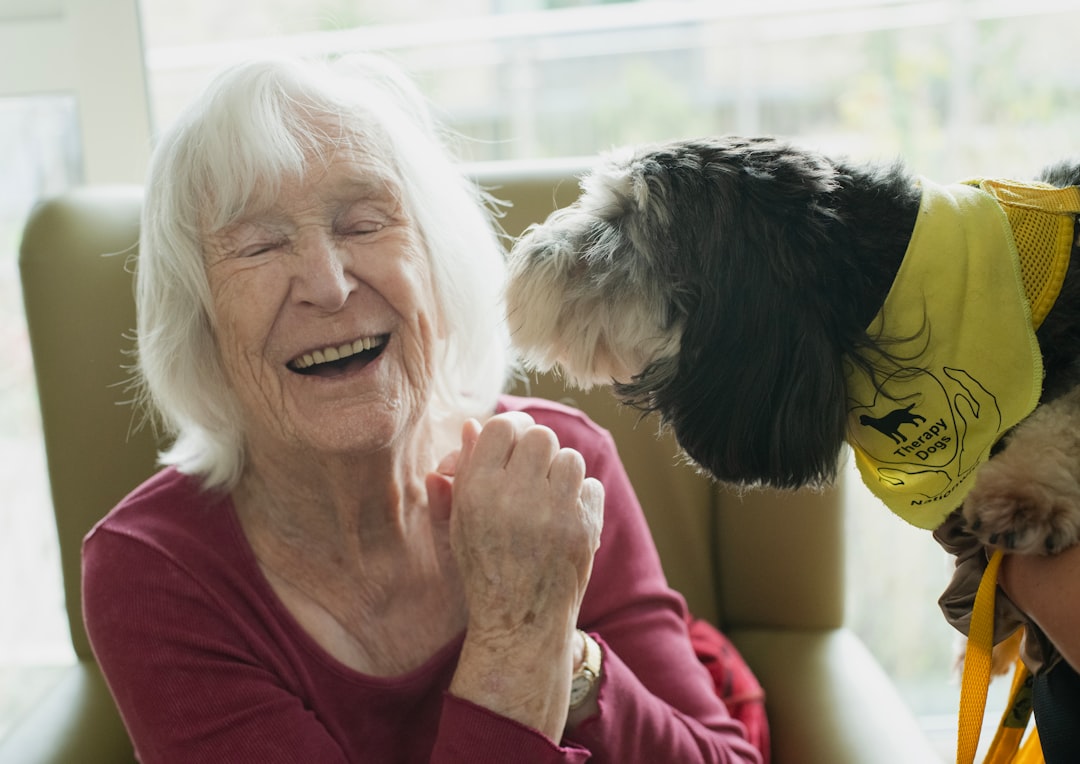
Hospital therapy dog programs are structured volunteer services that bring trained therapy dogs and their handlers into medical facilities to provide comfort, reduce stress, and support patient recovery. Unlike Service Dogs who perform specific tasks for individuals with disabilities, therapy dogs work with multiple people in healthcare settings under professional supervision.
These programs operate in various medical facilities including children's hospitals, rehabilitation centers, cancer treatment facilities, and general acute care hospitals. Each program follows specific protocols designed to maintain sterile environments while maximizing therapeutic benefits for patients, families, and staff.
The American Hospital Association recognizes animal-assisted activities as a complementary therapy that can reduce anxiety, lower blood pressure, and improve overall patient satisfaction scores. Most programs focus on pediatric units, oncology departments, and rehabilitation services where patients face extended stays or challenging treatments.
How Hospital Programs Are Structured
Hospital therapy dog programs typically operate under the facility's volunteer services department or patient experience team. A designated program coordinator, often a social worker or child life specialist, oversees daily operations and maintains compliance with hospital policies.
Most programs partner with national therapy dog organizations like Pet Partners, Therapy Dogs International, or Alliance of Therapy Dogs. These partnerships provide standardized evaluation processes, continuing education requirements, and liability coverage that hospitals require.
Team composition includes certified therapy dog handlers, veterinary oversight for animal health monitoring, and clinical staff who identify appropriate patients for visits. Many programs also include volunteer coordinators who manage scheduling and ensure adequate coverage across different hospital units.

Program structure varies by facility size and patient population. Large teaching hospitals may have multiple teams visiting daily, while smaller community hospitals might schedule weekly visits. Some specialized facilities like children's hospitals maintain resident therapy dog programs with dogs present throughout the week.
Administrative oversight ensures compliance with Joint Commission standards, state health department regulations, and facility-specific infection control policies. This structure protects patients while enabling therapeutic interactions that support healing and recovery.
Infection Control and Health Requirements
Infection control represents the most critical aspect of hospital therapy dog programs. All participating dogs must meet stringent health requirements that often exceed standard veterinary care protocols.
Mandatory health screenings include current vaccinations for rabies, distemper, hepatitis, parvovirus, parainfluenza, and bordetella. Dogs must receive annual veterinary examinations with specific attention to zoonotic disease prevention. Many hospitals require additional testing for intestinal parasites, skin conditions, and respiratory infections.
Grooming standards require professional bathing within 24-48 hours before hospital visits. Nails must be trimmed short to prevent scratching, and dogs cannot visit if they show any signs of illness, including minor conditions like ear infections or skin irritations.
Handler hygiene protocols include hand sanitization before and after each patient interaction, wearing facility-provided identification badges, and following dress codes that typically prohibit jewelry, perfumes, or loose clothing that might harbor bacteria.
Restricted areas commonly include intensive care units, surgical suites, isolation rooms, and certain immunocompromised patient units. Some facilities maintain "clean" and "dirty" zones where dogs cannot transition between areas during a single visit.
Handler Responsibilities and Training
Therapy dog handlers carry significant responsibilities that extend far beyond basic dog training. Successful handlers understand medical environments, patient confidentiality requirements, and crisis intervention protocols.
Pre-visit preparation includes reviewing patient lists with clinical staff, understanding specific therapeutic goals for individual patients, and ensuring their dog is mentally and physically ready for hospital work. Handlers must recognize stress signals in their dogs and be prepared to end visits when necessary.
During visits, handlers facilitate interactions between patients and therapy dogs while monitoring both for signs of distress or overstimulation. They document visit details for clinical staff and maintain professional boundaries while providing emotional support.
Training requirements typically include 40-60 hours of classroom instruction covering hospital policies, infection control procedures, patient confidentiality under HIPAA regulations, and crisis response protocols. Many programs require annual recertification and continuing education credits.
Handlers must complete background checks, drug screenings, and tuberculosis testing consistent with other hospital volunteers. Some facilities require additional training in pediatric interaction techniques or specialized protocols for different medical units.
Patient Consent and Safety Protocols
Patient consent procedures protect both patients and therapy dog teams while ensuring positive therapeutic outcomes. These protocols vary by facility but share common elements designed to respect patient autonomy and medical needs.
Initial screening involves clinical staff reviewing patient medical records to identify contraindications such as severe allergies, compromised immune systems, or specific phobias. Patients with animal allergies, open wounds, or certain medical devices may be excluded from therapy dog visits.
Informed consent typically requires verbal agreement from adult patients or written permission from parents/guardians for pediatric patients. Staff explain the nature of therapy dog visits, potential benefits and risks, and the patient's right to discontinue interaction at any time.
Safety protocols include maintaining physical barriers between dogs and medical equipment, prohibiting dogs on patient beds without specific approval, and ensuring immediate access to hand sanitization stations. Handlers must respond immediately to patient requests to end visits.
Documentation requirements include recording patient responses, visit duration, and any unusual incidents for quality improvement and risk management purposes. This information helps clinical staff assess therapeutic value and adjust treatment plans accordingly.
As a 501(c)(3) nonprofit organization, TheraPetic® Healthcare Provider Group recognizes the importance of properly structured volunteer programs in healthcare settings. Our comprehensive screening process helps ensure therapy dog teams meet the high standards required for medical facility work.
Insurance and Liability Requirements
Insurance coverage represents a fundamental requirement for hospital therapy dog programs, protecting facilities, volunteers, patients, and therapy dog organizations from potential liability claims.
Most hospitals require therapy dog organizations to carry comprehensive general liability insurance with minimum coverage levels typically ranging from $1-5 million per occurrence. This coverage must specifically include animal-related incidents, property damage, and bodily injury claims.
Professional liability insurance covers handlers for actions taken within their volunteer capacity, while property insurance protects against damage caused by therapy dogs to hospital equipment or facilities. Some programs also require coverage for animal attack incidents, even for dogs with exemplary behavioral records.
Individual handlers may need personal liability coverage through homeowners or renters insurance policies that specifically include therapy dog activities. Standard policies often exclude volunteer work, requiring specific riders or endorsements.
Certificate requirements mandate that therapy dog organizations provide current certificates of insurance naming the hospital as an additional insured party. These certificates must be updated annually and maintained in hospital volunteer services files.
Scheduling and Visit Coordination
Effective scheduling systems ensure consistent therapy dog coverage while accommodating hospital operations, patient needs, and volunteer availability. Most programs use sophisticated coordination processes that balance multiple competing demands.
Advanced scheduling typically occurs 2-4 weeks in advance, allowing clinical staff to identify appropriate patients and coordinate with other therapeutic activities. Day-of-visit adjustments accommodate emergency situations, patient condition changes, or unexpected hospital operations.
Visit coordination involves multiple stakeholders including volunteer coordinators, clinical staff, patient transport services, and housekeeping teams. Each therapy dog visit must be planned around medical procedures, visiting hours, and cleaning schedules.
Scheduling software systems track handler availability, dog health records, required training updates, and patient interaction history. This technology ensures compliance with program requirements while maximizing therapeutic impact.
Backup systems maintain visit schedules when handlers become unavailable due to illness or personal emergencies. Many successful programs require handlers to commit to regular schedules while maintaining flexibility for substitutions when needed.
How to Join a Hospital Therapy Dog Program
Joining a hospital therapy dog program requires careful preparation, extensive training, and ongoing commitment to professional standards. The process typically takes 6-12 months from initial application to active volunteering.
First steps include researching local hospitals with established therapy dog programs and contacting their volunteer services departments. Many facilities maintain waiting lists due to high volunteer interest and limited program capacity.
Dog evaluation requirements include temperament testing through recognized therapy dog organizations, current health certificates from licensed veterinarians, and demonstration of specific skills like calm behavior around medical equipment and gentle interaction with vulnerable populations.
Handler preparation involves completing application processes including background checks, reference verification, and health screenings. Training programs typically require significant time commitments with both classroom instruction and supervised practice visits.
Certification pathways vary by organization but generally include written examinations, practical skill demonstrations, and supervised probationary periods. Ongoing requirements include annual recertification, continuing education credits, and regular health updates for both dogs and handlers.
For comprehensive guidance on therapy dog certification and training requirements, visit our therapy dog training resources to begin your journey toward hospital volunteer work.
Hospital therapy dog programs offer remarkable opportunities to provide comfort and healing in medical settings. By understanding program structures, meeting stringent requirements, and committing to ongoing professional development, you can join this meaningful volunteer service that makes a genuine difference in patients' lives during their most challenging moments.
Written By
Ryan Gaughan, BA, CSDT #6202 — executive Director
TheraPetic®® healthcare Provider Group • About • LinkedIn • ryanjgaughan.com
Clinically Reviewed By
Dr. Patrick Fisher, PhD, NCC, BC-TMH, C-AAIS — founder & clinical Director • the Service Animal Expert™