
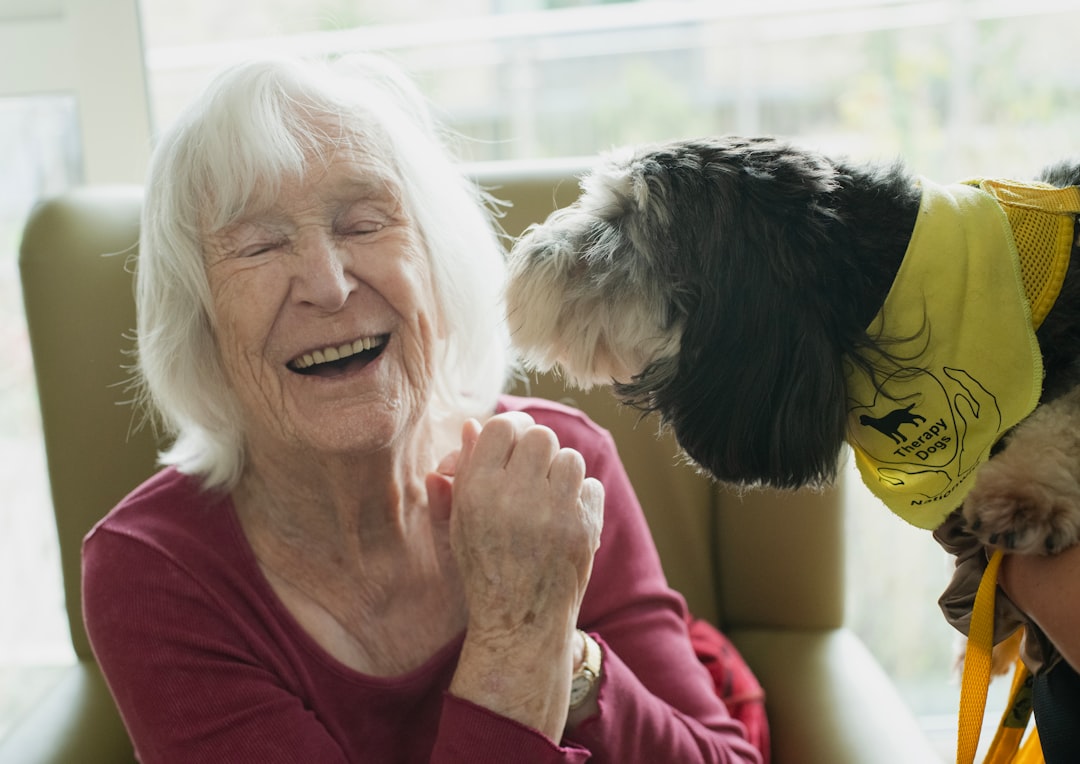
Nursing home therapy dog visits offer profound healing opportunities for elderly residents who may feel isolated or disconnected from the world outside their facility walls. As a therapy dog volunteer, you have the unique privilege of bringing joy, comfort, and companionship to seniors who often light up at the sight of a friendly canine companion.
However, working with elderly populations in nursing homes and assisted living facilities requires specialized knowledge and preparation. These environments present unique challenges that differ significantly from hospital visits or school programs. Understanding these considerations will help you provide the most beneficial and safe experiences for everyone involved.
Understanding Elderly Populations and Their Unique Needs
Elderly residents in nursing homes and assisted living facilities often experience multiple health conditions simultaneously. Many residents live with chronic pain, limited mobility, hearing or vision impairments, and varying degrees of cognitive decline. These factors significantly impact how they interact with therapy dogs and what approaches work best.
Residents may have slower reaction times and reduced physical strength. Your therapy dog needs to be exceptionally gentle and patient. Dogs that work well with children might be too energetic or unpredictable for elderly residents who could be startled or knocked off balance easily.
Many elderly residents have rich histories with pets and may share detailed stories about beloved animals from their past. These conversations often serve as powerful therapeutic tools, helping residents reconnect with positive memories and express emotions they may have difficulty accessing otherwise.
Depression and loneliness are common challenges in nursing home settings. The Centers for Disease Control and Prevention reports that social isolation significantly impacts mental and physical health outcomes in older adults. Therapy dog visits can provide crucial social interaction and emotional support that supplements traditional healthcare approaches.
Special Considerations for Dementia Patients
Working with dementia patients requires specific adaptations to your standard therapy dog visit approach. Dementia affects memory, communication, and behavior in ways that can make interactions unpredictable but also deeply meaningful.
Residents with dementia may not remember your previous visits, but they often retain emotional memories of positive experiences. Each visit feels new to them, which can actually enhance the joy and excitement they experience when seeing your therapy dog.
Communication with dementia patients works best when kept simple and direct. Use short sentences and clear gestures. Instead of asking complex questions like "Would you like to pet my dog?", try simpler approaches like "This is Buddy. He's very soft." Allow residents to process information at their own pace.
Some dementia patients may become agitated or confused during visits. Your therapy dog should be trained to remain calm when residents exhibit unusual behaviors like repetitive motions, loud vocalizations, or unexpected movements. Never force interactions if a resident seems distressed or uninterested.
Sensory experiences often work better than complex interactions for dementia patients. The texture of your dog's fur, the warmth of their body, or simply their calm presence can provide comfort even when verbal communication is limited. These sensory connections can help ground residents who may feel confused about their surroundings.
TheraPetic® Healthcare Provider Group's nonprofit mission includes supporting therapeutic interventions that improve quality of life for vulnerable populations, including seniors with cognitive impairments who benefit tremendously from animal-assisted therapy programs.
Preparing Your Therapy Dog for Facility Visits
Nursing homes present unique environmental challenges that require specific preparation. These facilities often have strong medicinal odors, loud noises from equipment, and multiple people using mobility aids. Your therapy dog must be comfortable navigating these conditions without becoming stressed or distracted.
Practice exposure training in similar environments before beginning nursing home visits. Visit pet-friendly stores with shopping carts, elevators, and crowded spaces. Gradually introduce your dog to the sounds of wheelchairs, walkers, and medical equipment like oxygen concentrators.
Your therapy dog should have rock-solid impulse control around food. Nursing homes often have snack carts, meal trays, and residents who may drop food items. Dogs that show any interest in human food or garbage should not participate in these visits until this behavior is completely eliminated.
Train your dog to work comfortably at various heights. Residents may be in bed, in wheelchairs, or seated in low chairs. Your dog should be able to position themselves appropriately for each situation without jumping up or becoming uncomfortable with unusual positioning requests.
Infection Control and Health Protocols
Infection control takes on heightened importance in nursing home settings where residents often have compromised immune systems and underlying health conditions. Facilities typically have strict protocols that therapy dog teams must follow without exception.
Most facilities require current vaccination records, including rabies, DHPP, and often Bordetella vaccines. Some facilities may require additional vaccinations or health certifications from your veterinarian. Always provide complete documentation well in advance of your first visit.
Hand hygiene becomes critical between resident interactions. Many facilities provide hand sanitizing stations throughout the building. Use these consistently, and consider carrying your own hand sanitizer as backup. Some facilities may require you to wear gloves during certain interactions.
Your therapy dog's grooming standards must be impeccable. Bathe your dog within 24-48 hours of each visit using quality shampoos. Trim nails regularly to prevent accidental scratching. Brush thoroughly to remove loose hair that could trigger respiratory issues in sensitive residents.
Be prepared to modify or cancel visits if your dog shows any signs of illness, no matter how minor. Symptoms that might seem insignificant in other settings could pose serious risks to elderly residents with weakened immune systems.
Wheelchair Navigation and Mobility Challenges
Nursing home environments require careful navigation around wheelchairs, walkers, oxygen equipment, and other mobility aids. Your therapy dog must be trained to work safely in these conditions without creating obstacles or safety hazards.
Practice "wheelchair etiquette" extensively before beginning visits. Your dog should never walk behind wheelchairs where they might be accidentally run over, or in front where they could cause the user to stop suddenly. Train your dog to approach wheelchairs from the side and wait for permission before moving closer.
Many residents use walkers or canes for stability. Your dog must give these individuals plenty of space and never lean against them for attention. Even gentle dogs can inadvertently cause falls if they disrupt a person's balance or mobility aid placement.
Hallways in nursing facilities are often narrow and crowded with equipment. Train your dog to walk in "heel" position consistently and respond immediately to directional commands. Practice navigating tight spaces and making room for passing staff members or emergency equipment.
Some residents may have limited mobility but still want to interact with your dog. Learn techniques for bringing your dog closer to bed-bound residents safely, and understand proper positioning that allows for comfortable interactions without compromising anyone's safety or comfort.
Managing Emotional Boundaries as a Handler
Nursing home visits can be emotionally challenging for handlers. You may encounter residents who are lonely, grieving, or facing end-of-life issues. While these interactions can be deeply meaningful, they also require careful emotional boundary management to prevent burnout and maintain professional effectiveness.
Prepare yourself for residents who may share difficult personal stories or express sadness about their circumstances. While empathy is important, remember that your role is to provide comfort through your therapy dog's presence, not to serve as a counselor or emotional caretaker.
Some residents may become overly attached to you or your dog, asking when you'll return or expressing disappointment about visit schedules. Maintain consistent, kind boundaries about visit frequency and duration. Explain that many residents benefit from your visits, which helps normalize the shared nature of your time.
Develop healthy coping strategies for processing emotional visits. Consider joining support groups for therapy dog handlers, or establish check-in routines with other volunteers who understand the unique challenges of this work. Your own emotional wellbeing directly impacts your effectiveness as a therapy dog team.
Remember that even brief, seemingly simple interactions can have profound impacts. A five-minute visit that brings a smile to a lonely resident's face represents meaningful therapeutic value, even if it feels small to you.
Building Meaningful Connections with Residents
Successful nursing home therapy dog visits focus on building genuine connections rather than simply completing required visit hours. These relationships often develop slowly and require patience, consistency, and cultural sensitivity.
Learn residents' names and remember details they share about their lives. Many elderly residents have fascinating personal histories and appreciate when visitors show genuine interest in their experiences. These conversations often flow naturally during therapy dog interactions.
Understand that some residents may initially seem unresponsive or uninterested. This doesn't necessarily mean they're not benefiting from your visits. Cognitive or physical limitations may prevent obvious expressions of enjoyment, but the therapeutic value may still be significant.
Respect cultural and religious differences among residents. Some individuals may have cultural backgrounds that affect their comfort level with dogs, while others may have specific religious considerations. Always ask facility staff about any cultural sensitivities before beginning interactions with new residents.
Consider the complete therapy dog screening requirements that ensure your dog can handle the complexities of building these important therapeutic relationships effectively.
Creating Sustainable Visit Programs
Developing sustainable nursing home visit programs requires careful planning, consistent execution, and ongoing evaluation. Successful programs balance resident needs with volunteer capacity and facility requirements.
Work closely with facility activity directors and nursing staff to identify optimal visit times and resident populations. Some residents may benefit more from individual visits, while others thrive in group settings. Understanding these preferences helps maximize therapeutic impact.
Establish realistic visit schedules that you can maintain consistently. Residents often look forward to therapy dog visits, and cancelled or irregular visits can be disappointing. It's better to commit to monthly visits that you can sustain than weekly visits that become inconsistent.
Document your visits and their impacts when possible. Many facilities appreciate feedback about resident responses and therapeutic outcomes. This documentation can help secure ongoing support for therapy dog programs and demonstrate their value to facility administrators.
Consider training multiple handler-dog teams for your facility to provide backup coverage and prevent program interruptions due to illness, vacations, or other commitments. Collaborative approaches often create more robust and sustainable programs.
Connect with established volunteer programs that can provide ongoing support, training updates, and community connections with other handlers working in similar settings.
Transforming Lives Through Dedicated Service
Nursing home therapy dog visits represent one of the most rewarding forms of volunteer service available to qualified handler teams. The unique challenges of working with elderly populations, dementia patients, and complex facility environments require specialized preparation and ongoing dedication.
Success in these settings comes from understanding that small interactions can have enormous therapeutic value. Your consistent presence, your dog's gentle companionship, and your willingness to meet residents where they are emotionally and physically can significantly impact quality of life for individuals who may have limited social interaction otherwise.
The protocols, safety considerations, and emotional boundaries discussed in This guide provide the foundation for effective nursing home visits. Each facility and resident population will have unique characteristics that require adaptive approaches and ongoing learning.
As you begin or continue your nursing home therapy dog work, remember that you're participating in a form of service that honors the dignity and worth of elderly individuals while providing therapeutic benefits that complement traditional healthcare approaches. This work requires patience, compassion, and commitment, but offers rewards that extend far beyond the visit hours themselves.
Ready to begin your journey as a nursing home therapy dog volunteer? Visit go.mypsd.org to learn about certification pathways and connect with training resources that will prepare you and your dog for this meaningful work.
Written By
Ryan Gaughan, BA, CSDT #6202 — executive Director
TheraPetic®® healthcare Provider Group • About • LinkedIn • ryanjgaughan.com
Clinically Reviewed By
Dr. Patrick Fisher, PhD, NCC, BC-TMH, C-AAIS — founder & clinical Director • the Service Animal Expert™