
School reading programs with therapy dogs create a unique learning environment where struggling readers find confidence through the non-judgmental companionship of trained canines. These programs, often modeled after Reading Education Assistance Dogs (R.E.A.D.) initiatives, pair certified therapy dog teams with students to improve reading fluency and reduce anxiety around academic performance.
The concept transforms traditional reading instruction by removing the pressure of human evaluation. Children read aloud to therapy dogs in quiet spaces, building confidence without fear of correction or judgment. This approach has shown remarkable results in schools nationwide, with many students showing measurable improvement in both reading skills and classroom participation.
What Are School Reading Programs with Therapy Dogs?
School reading programs with therapy dogs involve certified therapy dog teams visiting educational facilities to support literacy development. The therapy dog handler, typically a volunteer, brings their certified dog to work one-on-one or in small groups with students who need additional reading support.
These programs operate under the principle that dogs provide a calming, non-judgmental presence that reduces reading anxiety. Students select age-appropriate books and read aloud to the therapy dog, often sitting on comfortable mats or cushions in designated quiet areas of the school library or classroom.
The therapy dog handler guides the session but allows the dog to be the primary "listener." This setup removes the traditional teacher-student dynamic that can cause stress for struggling readers. Students often share personal stories about the books or discuss the characters with both the dog and handler, building both reading comprehension and social skills.
Programs typically run during school hours, after-school periods, or during library time. Sessions last 15-30 minutes per student, depending on attention span and reading level. Many schools integrate these programs with existing literacy initiatives, creating a comprehensive approach to reading support.
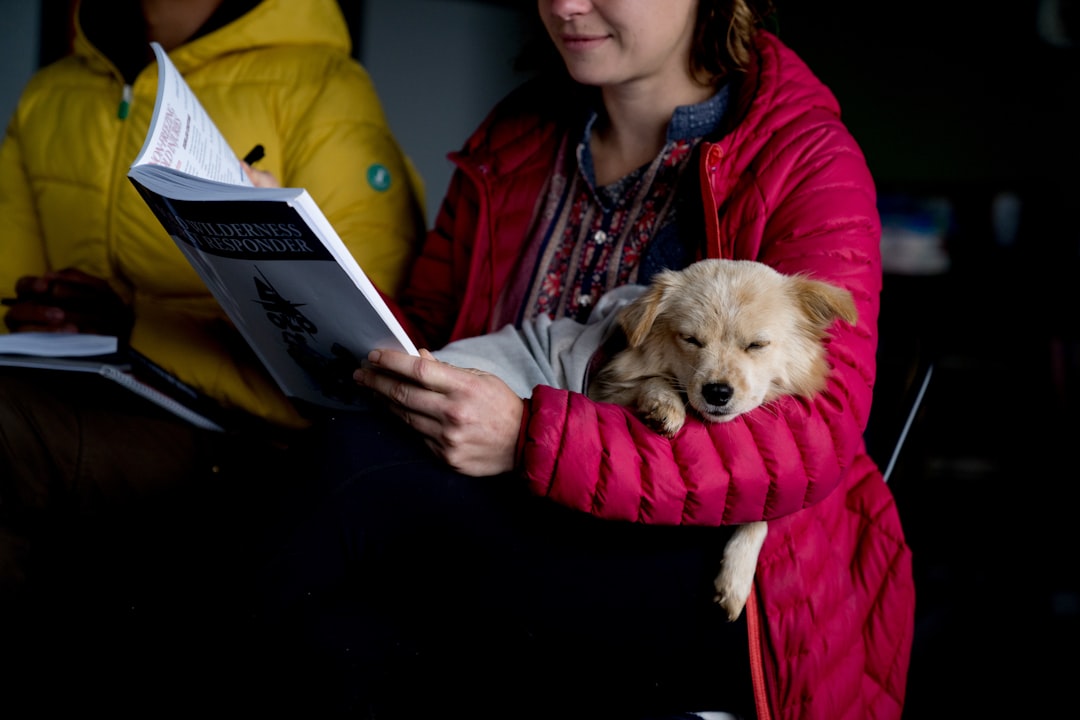
Research-Backed Benefits for Reading Confidence
Educational research consistently demonstrates that reading programs with therapy dogs improve both academic outcomes and emotional well-being for participating students. The University of California, Davis, published findings showing significant improvements in reading fluency among elementary students who participated in animal-assisted reading programs.
Reading confidence increases when children interact with therapy dogs because the animals provide unconditional acceptance. Students who fear making mistakes in front of teachers or peers feel safe reading to dogs, who never correct pronunciation or criticize reading speed. This psychological safety creates an optimal learning environment.
Stress reduction represents another key benefit documented in school-based therapy dog programs. Cortisol levels decrease in children who interact with therapy dogs, leading to improved focus and retention. Lower stress levels directly correlate with better reading comprehension and willingness to tackle challenging texts.
Social skill development occurs naturally through these programs. Students practice conversation skills with handlers, learn appropriate animal interaction techniques, and develop empathy through caring for the therapy dogs. These skills transfer to peer interactions and classroom participation.
Reading motivation increases substantially when therapy dogs are involved. Students look forward to reading sessions and often request specific books to share with their canine reading partners. This enthusiasm for reading extends beyond program sessions, with teachers reporting increased independent reading time.
Setting Up Your School Reading Program
Establishing a successful school reading program requires careful planning and coordination with multiple stakeholders. The first step involves identifying qualified therapy dog teams through proper screening and certification processes that ensure both handler and dog meet educational facility standards.
Program structure depends on school needs and available resources. Weekly sessions work best for building consistency and rapport between students and therapy dog teams. Identify specific student populations who would benefit most, such as reluctant readers, students with reading disabilities, or children experiencing academic stress.
Space requirements include quiet, comfortable areas where students can read without distractions. School libraries often provide ideal settings, but classrooms, counseling offices, or multipurpose rooms can work with proper setup. Ensure adequate ventilation and easy cleanup capabilities for any animal-related needs.
Scheduling coordination involves working with teachers, librarians, and administrators to identify optimal session times. Avoid conflicts with core instruction time while ensuring participating students don't miss important academic content. Many successful programs operate during reading intervention periods or enrichment time.
Documentation and tracking systems help measure program effectiveness and maintain accountability. Develop simple forms to track reading progress, student engagement levels, and behavioral observations. This data supports program continuation and expansion efforts.
Working with School Administrators
School administrators need clear information about therapy dog program benefits, safety protocols, and liability considerations before approving implementation. Present research-based evidence showing academic improvements and social-emotional benefits for participating students.
Insurance and liability coverage requires careful attention. Verify that therapy dog teams carry appropriate liability insurance covering educational facility visits. School district policies may require additional documentation or specific insurance amounts, so review requirements early in the planning process.
Health and safety protocols must address student allergies, animal behavior policies, and emergency procedures. Develop written protocols covering hand hygiene, appropriate animal interaction, and steps to take if students show allergic reactions or if dogs display unexpected behaviors.
Staff training ensures teachers and support personnel understand program goals and their roles in supporting student participation. Provide orientation sessions covering therapy dog differences from pets, appropriate supervision levels, and how to integrate reading sessions with classroom instruction.
Communication with parents builds support and addresses concerns before program launch. Send informational materials home explaining program benefits, safety measures, and how students are selected for participation. Include opt-out procedures for families who prefer their children not participate.
Age-Appropriate Interactions by Grade Level
Elementary students (grades K-2) benefit from shorter sessions with simple picture books and basic animal interaction guidelines. These young readers often enjoy describing pictures to therapy dogs and practicing sight words in a relaxed setting. Sessions last 10-15 minutes to match attention spans.
Primary grade students (grades 3-5) can handle longer reading sessions with chapter books and more complex discussions about story elements. They often develop special relationships with specific therapy dogs and enjoy sharing personal connections to characters or plot events. Sessions extend to 20-25 minutes.
Middle school students (grades 6-8) may initially resist animal-assisted programs but often respond positively once they experience the stress-reducing benefits. Focus on young adult literature and provide opportunities for students to help train or care for therapy dogs as leadership development.
Special education students across all grade levels often show remarkable progress in therapy dog reading programs. Adapt session length and book selection to individual needs, and consider incorporating therapy dogs into existing individualized education program (IEP) goals for reading or social skills.
English language learners benefit significantly from reading to therapy dogs because the animals provide patient listeners while students practice pronunciation and fluency. The non-judgmental environment encourages risk-taking with new vocabulary and expressions.
Safety Protocols and Risk Management
Comprehensive safety protocols protect students, staff, and therapy dog teams during reading program activities. All participating therapy dogs must have current health certifications, vaccinations, and behavioral evaluations from qualified professionals.
Supervision requirements include having trained adults present during all student-dog interactions. Therapy dog handlers maintain primary responsibility for their animals, while school staff supervise students and ensure appropriate behavior around the dogs.
Allergic reaction procedures address both severe and mild allergic responses. Identify students with known animal allergies before program implementation and develop individual accommodation plans. Keep antihistamines available and know location of emergency medical supplies.
Dog behavior monitoring ensures early intervention if therapy dogs show signs of stress, fatigue, or overstimulation. Establish clear signals for handlers to remove dogs from situations, and provide quiet spaces where animals can decompress between sessions.
Incident reporting systems document any safety concerns, allergic reactions, or behavioral issues for continuous program improvement. Use this data to refine protocols and address emerging risks before they become significant problems.
Measuring Program Success
Effective measurement systems track both academic progress and social-emotional development among participating students. Pre- and post-program reading assessments provide objective data about fluency, comprehension, and reading level improvements.
Teacher observations offer valuable insights into classroom behavior changes, participation levels, and attitude shifts toward reading activities. Develop simple observation forms that teachers can complete weekly to track student progress.
Student feedback through age-appropriate surveys or interviews reveals personal experiences and program impact from the learner's perspective. Ask about reading confidence, enjoyment of reading activities, and relationships with therapy dog teams.
Parent reports provide additional perspective on home reading behaviors and student attitudes toward school. Many parents notice increased enthusiasm for reading and improved homework completion after therapy dog program participation.
Standardized test score analysis may show longer-term academic improvements, though these results require multiple data points over time to establish clear correlations with therapy dog program participation.
Common Challenges and Solutions
Scheduling conflicts represent the most frequent challenge in school reading programs. Address this by developing flexible session times and maintaining backup therapy dog teams for situations when primary teams are unavailable.
Student selection creates potential fairness concerns among families and staff. Develop clear criteria focused on educational need rather than preference, and consider rotating participation opportunities to serve more students over time.
Funding limitations may restrict program scope or sustainability. Partner with local therapy dog organizations, apply for educational grants, and engage parent-teacher organizations in fundraising efforts to support program costs.
Staff resistance sometimes occurs when teachers worry about lost instructional time or additional responsibilities. Address concerns through clear communication about program benefits and minimal staff involvement requirements.
Inconsistent volunteer availability can disrupt program continuity. Recruit multiple therapy dog teams, provide backup scheduling options, and maintain waiting lists of qualified teams ready to step in when needed.
At TheraPetic® Healthcare Provider Group, our nonprofit mission includes supporting educational initiatives that promote child development and well-being through animal-assisted interventions. We understand the profound impact that properly trained therapy dogs can have on learning outcomes and emotional growth.
School reading programs with therapy dogs offer evidence-based interventions that address both academic and social-emotional learning needs. Through careful planning, strong safety protocols, and ongoing evaluation, these programs create lasting positive impacts on student achievement and well-being. Contact us at help@mypsd.org or (800) 851-4390 to learn how we can support your school's therapy dog program development.
Written By
Ryan Gaughan, BA, CSDT #6202 — Executive Director
TheraPetic®® Healthcare Provider Group • About • LinkedIn • ryanjgaughan.com
Clinically Reviewed By
Dr. Patrick Fisher, PhD, NCC, BC-TMH, C-AAIS — Founder & Clinical Director • The Service Animal Expert™
Editorial Review
This article was reviewed by Dr. Patrick Fisher, PhD, NCC, BC-TMH, C-AAIS on April 26, 2026 for accuracy, currency, and clarity. Content is updated when laws or guidance change.