
What Disaster Response Therapy Dogs Actually Do
When a hurricane flattens a neighborhood or a mass casualty event shakes a community, trained disaster response therapy dogs show up alongside chaplains, crisis counselors, and Red Cross volunteers. Their job is simple but powerful. They offer comfort to people in shock.
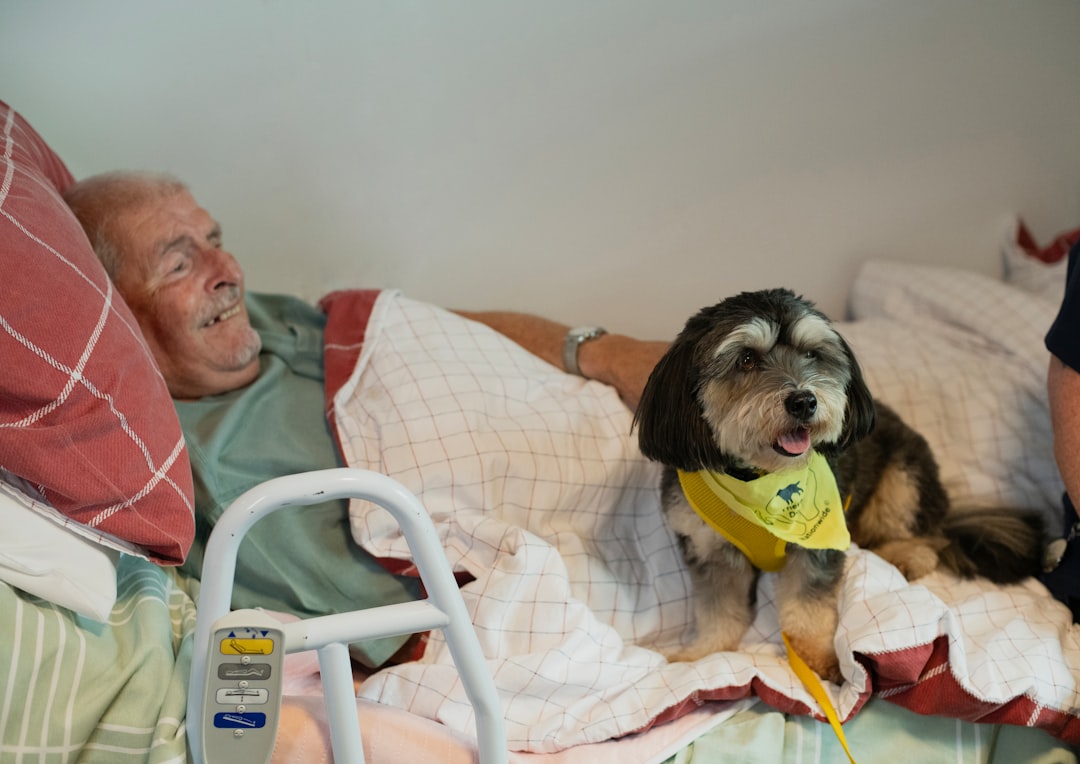
A therapy dog sitting quietly with a grieving survivor or resting a head on the knee of an exhausted firefighter does something no pamphlet or hotline can replicate. Physical touch and animal presence lower stress hormones. They create a moment of calm inside chaos.
Disaster response therapy dogs are different from everyday facility visit dogs. These animals and their handlers train specifically for high-stress, unpredictable environments. Loud sounds, strong smells, unstable footing, unfamiliar people in emotional distress. All of it must be part of preparation before a team ever deploys.
Understanding HOPE AACR and Crisis Credentialing
HOPE Animal-Assisted Crisis Response, commonly known as HOPE AACR, is one of the most recognized organizations in this field. It provides specialized training and credentialing for crisis response animal-assisted teams. A HOPE AACR credential is not the same as a standard therapy dog certificate.
To earn a HOPE AACR designation, a team must already hold a valid therapy dog registration from a recognized organization such as Therapy Dogs International (TDI) or Pet Partners. HOPE AACR then layers crisis-specific training on top of that foundation. This two-step model ensures teams enter disaster environments with both the behavioral baseline and the situational awareness the work demands.
HOPE AACR teams have deployed to wildfires, school shootings, floods, and national memorial sites. Their deployment is coordinated through established incident command structures, which means teams follow the same chain of authority as other emergency responders. This is not informal volunteer work. It is structured, credentialed and accountable.
What Crisis Response Training Covers
Standard therapy dog training prepares a dog for predictable, calm environments like hospitals or libraries. Crisis response training goes further. It prepares both the dog and the handler for sensory overload, emotional intensity and rapidly changing conditions.
A well-designed crisis response curriculum typically includes several distinct areas. Handlers learn psychological first aid principles so they understand how trauma affects the people they will encounter. Dogs are exposed to loud noises, crowds, debris simulations and unusual surfaces. Both partners practice working around emergency equipment and personnel in full gear.
Organizations like TDI and Pet Partners publish their own standards for advanced animal-assisted activity teams. AKC Therapy Dog program titles, while they recognize visit hours, do not themselves certify crisis readiness. Handlers pursuing disaster work should look specifically for curriculum that addresses stress inoculation for the dog, secondary trauma awareness for the handler and incident command familiarity.
Reading through HOPE AACR's published training framework is a useful starting point. The Federal Emergency Management Agency also publishes free incident command training through its Independent Study Program, which crisis responders of any kind can complete online at training.fema.gov.
Deployment Requirements and Evaluation Standards
Getting to a disaster site requires more than a willing heart and a gentle dog. Deployment organizations set clear minimums, and those minimums exist for good reason. Unprepared teams in a disaster zone can create safety risks and emotional harm rather than providing relief.
Most credentialed programs require the following before a team is cleared to deploy. The dog must hold a current therapy dog registration with a recognized body such as TDI, Pet Partners or the Alliance of Therapy Dogs. Vaccination records must be current and on file. The handler must carry liability coverage, which is typically provided through the registering organization's group policy.
Crisis-specific evaluations test how a dog responds to sudden loud sounds, unstable surfaces and strangers approaching in distress. Dogs that show any stress signals, lip licking, yawning, whale eye, tucked tails, in simulated conditions are not cleared for deployment. Stress in the dog does not mean failure. It means the team needs more preparation before taking on that environment.
Handlers must also complete a health screening. Disaster zones are physically demanding. Long hours on hard surfaces, limited access to food and water, and the emotional weight of the environment all take a toll. Programs want to know handlers can sustain themselves over an extended deployment period.
If you are working toward therapy dog certification and considering crisis work as a long-term goal, our therapy dog certification pathway guide walks through foundational standards that form the baseline for advanced programs.
Supporting First Responders, Not Just Survivors
Public attention often focuses on disaster survivors, but trained therapy dog teams also serve the people doing the rescuing. Firefighters, paramedics, search and rescue personnel and law enforcement officers face enormous psychological strain during extended disaster operations.
Studies conducted by crisis response organizations have documented what handlers consistently observe firsthand. First responders who are reluctant to engage with counselors or chaplains will often sit quietly with a therapy dog for several minutes. That window, a few minutes of lowered guard, can become the moment a responder begins to process what they are experiencing.
HOPE AACR teams are trained to work in staging areas and responder rest zones, not just with civilian survivors. Handlers learn to read the signs of responder exhaustion and secondary trauma, and they understand their role is presence and comfort, not therapy. The dog is the intervention. The handler facilitates access and keeps the interaction safe.
Peer support coordinators and critical incident stress management teams increasingly request animal-assisted support as part of a comprehensive responder care model. The dog becomes one resource among many rather than a standalone program.
Handler Self-Care Is Part of the Job
Every reputable crisis response program treats handler wellness as non-negotiable. This is not a soft add-on. It is a core professional standard.
Handlers witness grief, trauma and loss in concentrated form during a deployment. Without intentional self-care practices, secondary traumatic stress is a real risk. Secondary traumatic stress occurs when someone absorbs the emotional weight of trauma that belongs to others. It is well documented among crisis workers of all kinds.
HOPE AACR and similar organizations build debrief protocols into every deployment. After a shift, teams check in with a team leader. Handlers discuss what they observed, how the dog responded and how they themselves are feeling. This is not optional. Organizations treat skipping debrief the same way they treat skipping safety equipment.
Dog welfare sits alongside handler wellness in this framework. A dog does not choose this work the way a handler does. Responsible programs monitor dogs for behavioral stress signs during and after shifts. A dog showing prolonged stress after deployment goes on a recovery period before returning to work. Ignoring dog welfare in crisis settings is a disqualifying failure for a serious program.
Handlers benefit from connecting with others in the community between deployments. Our volunteer programs resource page connects handlers with local and national organizations running structured support networks for therapy dog teams.
How to Get Started in Disaster Response Work
The path into disaster response therapy dog work follows a clear sequence. Understanding that sequence helps handlers set realistic timelines and avoid wasted effort.
Start with foundational therapy dog certification. A dog that is not comfortable, reliable and well-evaluated in routine facility settings is not ready for crisis work. Organizations like Pet Partners, TDI and the Alliance of Therapy Dogs each offer registration pathways with their own evaluation standards. Pick one that aligns with your geographic area and the facilities where you plan to volunteer initially.
Log visit hours in varied environments. Hospitals, schools, libraries, memory care facilities and courthouses all offer different stimuli and emotional tones. A dog that has worked in a pediatric oncology unit, a courthouse waiting room and a university finals week event has a much richer experience base than one that visits the same library every month.
Once your team has at least a year of consistent therapy visits and your evaluating organization considers you an experienced team, begin researching HOPE AACR training. Their website lists approved trainers and upcoming workshops. Training typically spans multiple days and includes both classroom instruction and practical dog-and-handler exercises.
As a 501(c)(3) nonprofit healthcare provider, TheraPetic® Healthcare Provider Group supports handler education around the full spectrum of animal-assisted work, from first-visit preparation to advanced deployment readiness. Our clinical team believes that well-trained handlers and well-prepared dogs create outcomes that matter for both people and animals.
After completing crisis training, most handlers register with a local or regional crisis response team. These teams connect you to the incident command networks that actually authorize deployment. Showing up to a disaster site independently, without going through a coordinated team, is not appropriate and will typically result in being turned away.
Review your current baseline by exploring our therapy dog screening resources to understand where your team stands before pursuing advanced crisis credentialing.
Disaster response therapy dog work is serious, meaningful and demanding. The handlers who do it well train with rigor, care for their dogs with consistency and approach each deployment with humility. The work is not glamorous. It is quiet, often exhausting and sometimes heartbreaking. It is also among the most impactful volunteer contributions a therapy dog team can make.
If you have questions about getting started or want to connect with a clinical advisor, reach out to TheraPetic® Healthcare Provider Group at help@mypsd.org or call (800) 851-4390.
Written By
Ryan Gaughan, BA, CSDT #6202 — Executive Director
TheraPetic® Healthcare Provider Group • About • LinkedIn • ryanjgaughan.com
Clinically Reviewed By
Dr. Patrick Fisher, PhD, NCC, BC-TMH, C-AAIS — Founder & Clinical Director • The Service Animal Expert™
Editorial Review
This article was reviewed by Dr. Patrick Fisher, PhD, NCC, BC-TMH, C-AAIS on July 4, 2026 for accuracy, currency, and clarity. Content is updated when laws or guidance change.