
When Age Becomes a Factor in Therapy Dog Work
Therapy dog recertification is something every active handler eventually faces. For teams with older dogs, that process carries extra weight.
A dog that passed its first evaluation at age three is a very different animal at age nine or ten. Joints stiffen. Energy fades. The stamina that once carried a dog through two-hour hospital visits may no longer be there. These are not failures. They are natural changes that responsible certification programs take seriously.
Understanding how therapy dog recertification works for senior animals helps you make the best decisions for your dog and the people you serve.
What Recertification Looks Like for Senior Dogs
Most major therapy dog organizations require periodic renewal of certification. The frequency varies. Pet Partners requires renewal every two years. Therapy Dogs International (TDI) and the AKC Therapy Dog program each have their own standards for maintaining active status.
For younger dogs in good health, recertification is largely a formality. Handlers submit updated documentation, confirm the dog is current on vaccinations and flea prevention, and may complete a refresher evaluation.
For senior dogs, the bar is the same but the lens is different. Evaluators look at the dog's current temperament and physical condition, not just its history. A long track record of successful visits earns respect but does not automatically guarantee renewal. The dog in front of the evaluator on that day is what matters.
Some programs ask handlers to submit a recent veterinary health statement as part of the recertification packet. This is especially common for dogs over eight years old. That document gives evaluators a clearer picture of what the dog can and cannot handle.

Health Checks and Veterinary Clearance Requirements
Veterinary clearance is the backbone of responsible recertification for older dogs. Organizations that handle this well do not leave it up to the handler alone to decide whether the dog is still fit for visits.
Pet Partners, one of the most respected therapy animal organizations in the country, requires a Veterinary Health Screening form signed by a licensed veterinarian as part of every renewal. For senior animals, this form carries more weight. Vets are asked to assess mobility, pain levels, sensory function and overall stamina.
TDI requires proof of current vaccinations and good health at renewal. Handlers are expected to self-report any changes in their dog's condition. While TDI does not mandate a specific senior health form, its standards make clear that the handler is responsible for ensuring the dog is physically and mentally fit for each visit.
The AKC Therapy Dog program does not conduct its own evaluations. It recognizes dogs that have been certified through AKC-approved organizations and logged a required number of visits. At the advanced title levels, a dog may have hundreds of documented visits on record. Maintaining that status still depends on the dog holding current certification through one of those approved groups.
What every responsible organization shares is this: a dog showing signs of pain, anxiety or physical decline should not be cleared for visits, regardless of its past record. Veterinary clearance exists to protect the dog, not just the people it serves.
How Major Organizations Handle Aging Teams
Pet Partners is explicit in its guidance for aging teams. The organization uses a standardized evaluation that assesses both the animal and the handler together. Evaluators are trained to watch for stress signals in the animal, including subtle ones that handlers sometimes miss because they have grown accustomed to their dog's behavior over the years.
For older dogs, evaluators may note physical limitations in the evaluation record. A dog with arthritis might still pass but receive a note recommending visits of thirty minutes or less. This kind of nuanced documentation is one reason experienced handlers often prefer organizations that conduct in-person evaluations rather than relying on paperwork alone.
TDI allows registered dogs to continue working as long as they meet health requirements and their handlers vouch for their fitness. The organization does not impose a mandatory retirement age. A ten-year-old Labrador in excellent health with a calm temperament and a skilled handler can remain an active TDI dog. The responsibility for monitoring the animal's readiness falls heavily on the handler.
The AKC Therapy Dog titles, ranging from AKC Therapy Dog Novice to AKC Therapy Dog Distinguished, are earned through logged visits with an approved organization. Once earned, these titles are permanent. But maintaining an active working status still requires keeping current certification through the approved group. If that certification lapses because the dog is no longer fit for visits, the titles remain on record while the dog moves into a well-earned retirement.
Shortened Visits and Modified Roles for Senior Dogs
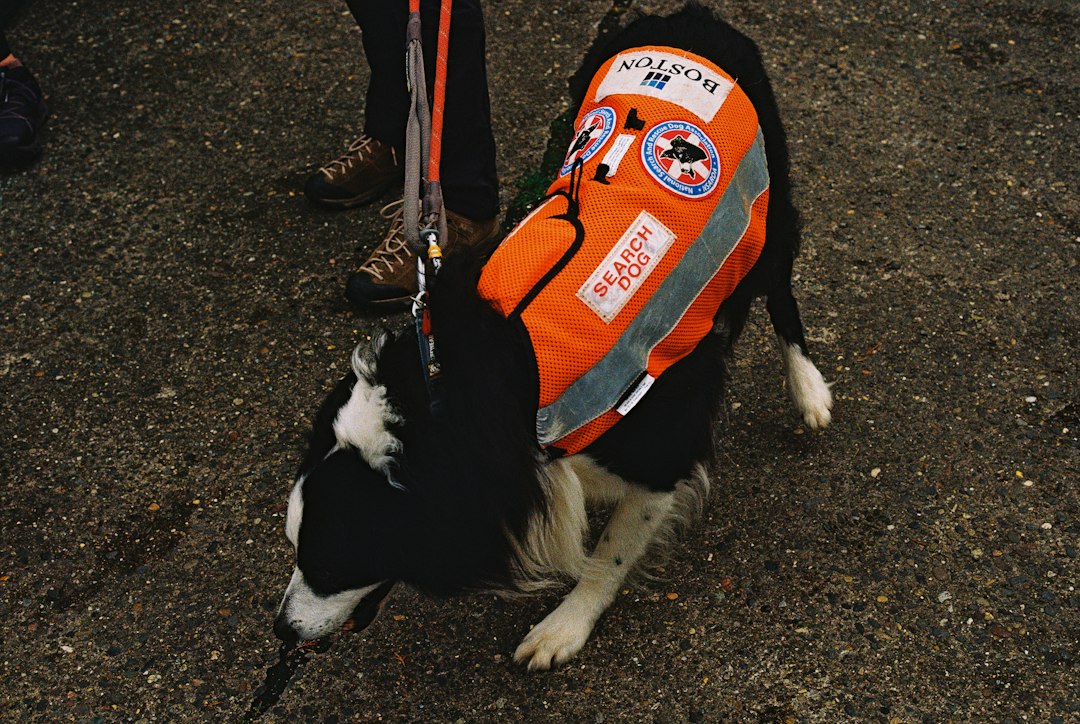
One of the most practical accommodations for senior therapy dogs is simply adjusting the length and type of visits. This is not a downgrade. It is good animal welfare practice.
A dog that once thrived during long hospital corridor walks may do beautifully in a quiet one-on-one setting for thirty minutes. Memory care units often prefer calmer, shorter interactions anyway. A gentle senior dog lying beside a resident while the handler facilitates conversation can be just as meaningful as a high-energy puppy bouncing through a school hallway.
Some facilities specifically request older, calmer dogs. Senior dogs often carry a natural stillness that younger animals have not yet developed. That quality can be especially comforting to elderly patients or people recovering from surgery.
Handlers who want to keep their senior dogs active should talk to their facility coordinators about what a modified schedule might look like. Many coordinators are willing to work with experienced teams. They know the relationship the dog has built with regular visitors and they value continuity.
Reducing visit frequency, choosing lower-stimulation environments and keeping sessions short are all strategies that can extend a senior dog's working life without compromising its welfare. The key is staying honest about the dog's limits from one visit to the next.
If you are navigating the therapy dog certification process for the first time or renewing with an aging dog, the standards differ enough between organizations that it pays to review each one's requirements carefully before committing to a path.
Signs Your Dog May Need to Retire from Therapy Work
Knowing when to stop is the hardest part of working with a senior therapy dog. Handlers who have spent years visiting alongside their dogs often struggle to see decline clearly. The bond creates a kind of selective perception that is completely understandable but can lead to pushing a dog past its limits.
There are physical signs to watch. A dog that limps after visits, struggles to rise from a resting position or shows pain responses when touched should not be continuing regular visits. These are not minor inconveniences. They are signals that the work is now causing harm.
Behavioral signs matter too. A dog that once greeted facility residents eagerly but now hangs back, avoids petting or leans toward the exit is telling you something. Yawning repeatedly during interactions, lip licking and turning the head away are recognized stress signals in dogs. A dog that is stressed during visits is not providing therapeutic benefit. It is enduring the experience.
Some handlers benefit from asking a trusted friend or fellow handler to observe a visit and give honest feedback. Evaluators can also help. A handler who suspects their dog may be struggling can request an informal check-in with their certifying organization before the official renewal date.
A dog's welfare always comes first. Choosing retirement for a beloved working dog is an act of love, not defeat.
Honoring Your Dog's Service After Retirement
Retiring a therapy dog does not erase what that animal contributed. AKC Therapy Dog titles remain on permanent record. TDI maintains visit logs that reflect years of documented service. Pet Partners handlers can note retirement in their team profile while preserving the history of the work done together.
Some handlers choose to celebrate their dog's retirement with a small ceremony at the facilities where the dog worked most often. Nursing homes, children's hospitals and schools often welcome the chance to say goodbye to a dog that made a difference in their community.
Others choose to stay connected to therapy dog work by joining as a handler-only volunteer, supporting new teams or helping with evaluator training. The knowledge and experience built over years of visits has real value to programs that are always looking for skilled mentors.
At TheraPetic® Healthcare Provider Group, our 501(c)(3) nonprofit mission has always centered on the wellbeing of the animals and people in these relationships. We understand that the bond between a therapy dog team and the communities they serve does not end with retirement. It simply changes form.
If you are ready to explore certification pathways for a new dog or need guidance on recertification standards for your current team, reach out to us at help@mypsd.org or call (800) 851-4390. You can also start the conversation at go.mypsd.org.
Written By
Ryan Gaughan, BA, CSDT #6202 , Executive Director
TheraPetic® Healthcare Provider Group • About • LinkedIn • ryanjgaughan.com
Clinically Reviewed By
Dr. Patrick Fisher, PhD, NCC , Founder & Clinical Director • The Service Animal Expert™
Editorial Review
This article was reviewed by Dr. Patrick Fisher, PhD, NCC on October 24, 2026 for accuracy, currency, and clarity. Content is updated when laws or guidance change.