
What Crisis Therapy Dogs Actually Do
When disaster strikes, first responders rush in with tools, training, and medical equipment. Crisis therapy dogs bring something different. They bring calm.
A crisis therapy dog is a specially trained animal that visits disaster sites, emergency shelters, triage centers, and hospitals to comfort survivors and the people helping them. Think of wildfires, hurricanes, mass casualty events, or school tragedies. The emotional weight in those spaces is enormous.
These dogs are not Service Dogs. They are not providing a task for a person with a disability. They are working animals in a volunteer capacity, offering physical presence, warmth, and a momentary break from grief. For a child who just lost everything in a flood, petting a calm golden retriever can lower heart rate, reduce cortisol, and open a door to conversation that nothing else could.
First responders benefit too. Firefighters, paramedics, police officers, and disaster relief workers carry enormous stress. Research supported by the American Red Cross has shown that brief interactions with therapy animals reduce self-reported anxiety and improve mood in emergency personnel between shifts.
The HOPE AACR Program Explained

HOPE AACR stands for Human-Animal Observation Program in Animal-Assisted Crisis Response. It is one of the most recognized credentialing systems for disaster response therapy dog teams in the United States.
The HOPE AACR organization sets specific standards for teams responding to critical incidents. These include mass casualty events, natural disasters, workplace violence situations, and grief support following community tragedies. Teams go through a rigorous evaluation process before they are ever deployed anywhere.
What makes HOPE AACR different from standard therapy dog programs is the crisis-specific focus. General therapy dog work in hospitals or schools is gentler and more predictable. Crisis environments are loud, chaotic, emotionally raw, and physically unpredictable. A dog that does beautifully in a nursing home might not be suited for a disaster shelter the day after a tornado.
HOPE AACR evaluates both the dog and the handler together as a team. The handler must demonstrate emotional stability, crisis communication skills, and the ability to read their dog's stress signals accurately. The dog must show exceptional temperament under pressure, including exposure to emergency sounds, unpredictable movement, and high-emotion human behavior.
Teams that earn HOPE AACR credentialing are then affiliated with local chapters or partner organizations that coordinate actual deployment requests. Deployment is always organized through official channels. Handlers do not self-deploy to disaster scenes.
Training Requirements for Crisis Deployment
Getting into crisis therapy dog work is not a weekend project. It is a serious commitment that builds on layers of existing training and certification.
Step one is solid basic therapy dog certification. Before any crisis training begins, the dog must already be a proven, evaluated therapy dog. That means passing a recognized evaluation through an organization like Therapy Dogs International (TDI), Pet Partners, or the AKC Therapy Dog program. These evaluations confirm the dog is safe, stable, and predictable in public settings.
The AKC Therapy Dog title requires a minimum number of documented visits with an AKC-recognized therapy dog organization. It is a respected national standard that demonstrates real-world experience, not just a test pass.
Pet Partners uses a two-part evaluation covering both animal aptitude and handler skills. Their training emphasizes reading animal stress signals, which is directly relevant to crisis work where handler awareness matters most.
TDI has chapters across the country and offers structured training through local clubs and evaluators. Their standards align well with what crisis programs look for in a foundation team.
Step two is crisis-specific training. Once a team holds a recognized therapy dog credential, they can pursue advanced crisis training. This includes exposure to simulated disaster environments, working in crowded or loud spaces, navigating debris or unconventional surfaces, and practicing professional boundaries with survivors in acute grief.
Handlers also learn psychological first aid basics. They are not counselors. They are not there to debrief trauma. They are there to create moments of connection that support human resilience. Knowing the difference is essential.
Crisis training also includes protocols for recognizing when a dog has had enough. Dogs experience what is called compassion fatigue just like humans do. A handler who misses those signs can push their dog past a healthy working threshold, which can affect the dog's long-term wellbeing and temperament.
Major Certifying Organizations and Their Standards
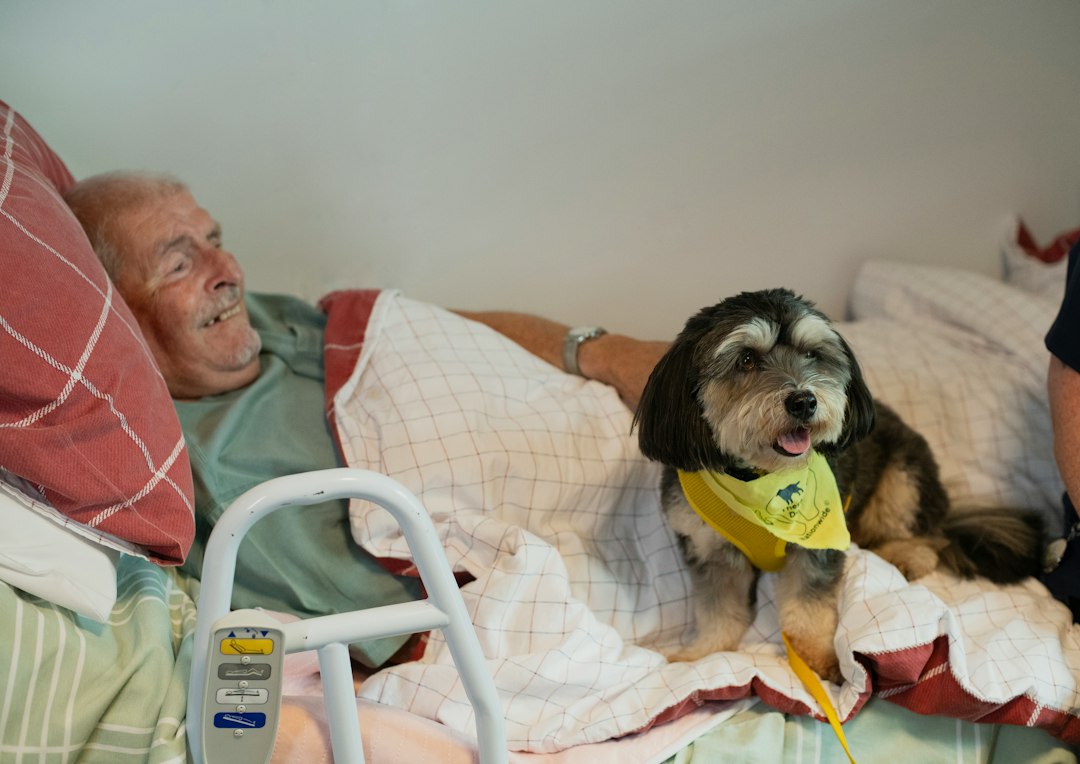
Several well-established organizations shape the standards that crisis therapy dog teams work toward. Each has its own structure, but their values around animal welfare and handler accountability overlap significantly.
Pet Partners is one of the largest therapy animal organizations in the country. They offer a specific Animal-Assisted Crisis Response (AACR) team registration pathway. Registered AACR teams with Pet Partners can be deployed through partner agencies including the American Red Cross and certain Federal Emergency Management Agency-coordinated programs.
Therapy Dogs International (TDI) has a long history of deploying certified teams to disaster situations. After major events like hurricanes and wildfires, TDI teams have been activated through their Disaster Stress Relief program. Teams must already hold TDI certification and meet additional criteria to participate in disaster activations.
The AKC Therapy Dog program does not coordinate deployments directly, but holding AKC titles demonstrates a level of documented experience that many crisis programs use as a qualification baseline. It is a strong supporting credential.
HOPE AACR functions as both a training framework and a credentialing body. They offer workshops, evaluations, and ongoing education specifically built around the psychological and operational demands of crisis work. Their focus on handler mental health distinguishes them from general therapy dog programs.
At TheraPetic® Healthcare Provider Group, our nonprofit clinical team has worked alongside therapy dog volunteers in supportive capacity settings. We understand that the human-animal bond in crisis situations draws on the same core mechanisms that make Support Animals effective in therapeutic settings. Our doctoral research on support animal therapeutic outcomes supports this connection directly.
Deployment Logistics and What to Expect
Crisis deployment is organized, structured, and never spontaneous. This surprises some handlers who imagine arriving independently at a disaster site. That is not how it works, and it should not be.
When a crisis event occurs, official requests go through incident command structures. A Red Cross chapter might contact a registered Pet Partners AACR team coordinator. A FEMA liaison might reach out to a pre-approved HOPE AACR chapter. Local emergency management offices sometimes have their own pre-credentialed therapy dog rosters.
Handlers who show up uninvited to a disaster scene create liability issues and can interfere with recovery operations. The most effective crisis teams are the ones integrated into a larger response plan before any disaster happens.
Once deployed, handlers operate in assigned zones. They check in and out formally. They follow scene protocols including personal protective equipment requirements and access restrictions. Their dogs are always leashed and under direct control. Visits are timed to avoid overstimulation for both the dog and survivors.
Documentation matters too. Handlers log their visits, the number of contacts, any notable interactions, and observations about their dog's stress levels. This data supports program evaluation and helps organizations demonstrate impact to funders and partner agencies.
Physical preparation is part of deployment readiness. Crisis sites often involve standing for long periods, walking over uneven terrain, and working in heat or cold. Handlers need to be physically ready. Dogs need to be current on all vaccinations and have a health record available on request.
Handler Self-Care After Disaster Work
This section does not get enough attention in crisis dog training materials, but it may be the most important one.
Handlers who walk into disaster environments absorb emotional weight. They sit with grieving parents, comfort displaced elderly residents, and stand quietly while first responders cry into their dog's fur. That affects people. Pretending otherwise leads to burnout, secondary trauma, and eventually handlers who cannot continue doing the work they love.
Effective crisis handler training includes concrete self-care frameworks. Defusing is a brief informal conversation with a team leader or peer after a shift, where handlers can acknowledge what they witnessed without full clinical processing. Debriefing is a more structured review that happens within days of a deployment, often facilitated by a mental health professional embedded in the response team.
Handlers should plan for downtime after deployment. This means rest, lighter social commitments, and checking in with their own support systems. Some experienced handlers keep a journal to process what they witnessed. Others rely on peer networks of fellow crisis team members who understand the work from the inside.
The dog needs recovery time too. After a crisis deployment, a therapy dog should have quiet days with no public work. Playtime, rest, and normal household routine help the dog reset. Watching for changes in appetite, sleep, or general behavior in the days following a deployment helps handlers catch stress responses early.
If a handler finds themselves consistently struggling after deployments, that is important information. Crisis work is meaningful, and it is also demanding. Stepping back temporarily or permanently is not failure. It is responsible stewardship of both their own wellbeing and their dog's.
Starting Your Path in Crisis Response
If crisis therapy dog work interests you, the path forward is clear. Start with getting your dog evaluated and certified through a recognized program. TDI, Pet Partners, and AKC-affiliated organizations all offer evaluation pathways. If you are still exploring whether your dog has the temperament and training foundation needed, our therapy dog screening guide walks through the core qualities evaluators look for.
Once your dog holds a recognized therapy dog credential, look into HOPE AACR workshops in your region. These are often held in conjunction with local emergency management offices or partner nonprofits. Attending an informational session before committing to full training helps you assess whether crisis work fits your schedule, temperament, and goals.
Connect with local chapters of Pet Partners or TDI. Ask whether they have an active AACR or disaster response team. If they do, shadow experienced handlers before you start training. Real mentorship from people who have been deployed to actual events is invaluable and cannot be replicated in a classroom alone.
Review the FEMA Ready resources to understand how emergency management systems work in the United States. Knowing how incident command structures operate helps you understand where therapy dog teams fit in the larger response ecosystem. This knowledge also makes you a more credible applicant when crisis organizations are vetting new teams.
Register with your local emergency management office as a community volunteer resource. Some counties and cities maintain registries of credentialed therapy dog teams for rapid deployment requests. Being pre-registered means you can be contacted quickly when a need arises.
As a 501(c)(3) nonprofit healthcare provider, TheraPetic® Healthcare Provider Group is committed to supporting the animal-assisted care community with accurate, clinically grounded information. Whether you are beginning your therapy dog journey or preparing for advanced crisis work, we want that path to be clear and accessible for every team.
Questions about therapy dog certification or finding the right program for your goals? Reach out to our team at help@mypsd.org or call us at (800) 851-4390. You can also explore program options and get started at go.mypsd.org.
Written By
Ryan Gaughan, BA, CSDT #6202 , Executive Director
TheraPetic® Healthcare Provider Group • About • LinkedIn • ryanjgaughan.com
Clinically Reviewed By
Dr. Patrick Fisher, PhD, NCC , Founder & Clinical Director • The Service Animal Expert™