
What Is a Hospital Therapy Dog Program?
A hospital therapy dog program brings certified dog-and-handler teams into medical facilities to offer comfort and emotional support to patients, families and staff. These are not service dogs. Therapy dogs work in groups, visit multiple people and are handled by trained volunteers.
Research recognized by the National Institutes of Health points to real benefits from animal-assisted visits in clinical settings. Patients report lower anxiety, reduced perception of pain and improved mood during and after visits.
Hospital therapy dog programs are one of the most rewarding volunteer pathways available. They are also among the most structured. Understanding how they work before you apply will save you time and set your team up for success.
How Hospital Programs Are Structured
Most hospital therapy dog programs are coordinated in one of two ways. The hospital runs the program directly through its volunteer services department. Or the hospital partners with an established therapy dog organization like Pet Partners, Therapy Dogs International (TDI) or the AKC Therapy Dog program.
In a directly managed program the hospital recruits, trains and schedules its own volunteer teams. These programs often have strict internal policies layered on top of national standards. In a partnership model the hospital defers to the certifying organization for handler qualifications and relies on the organization's liability insurance.
Either way the structure follows a clear chain of accountability. The hospital sets the rules for which units are open to visits. The handler follows those rules on every single visit. The certifying organization stands behind the team with documentation and insurance coverage.
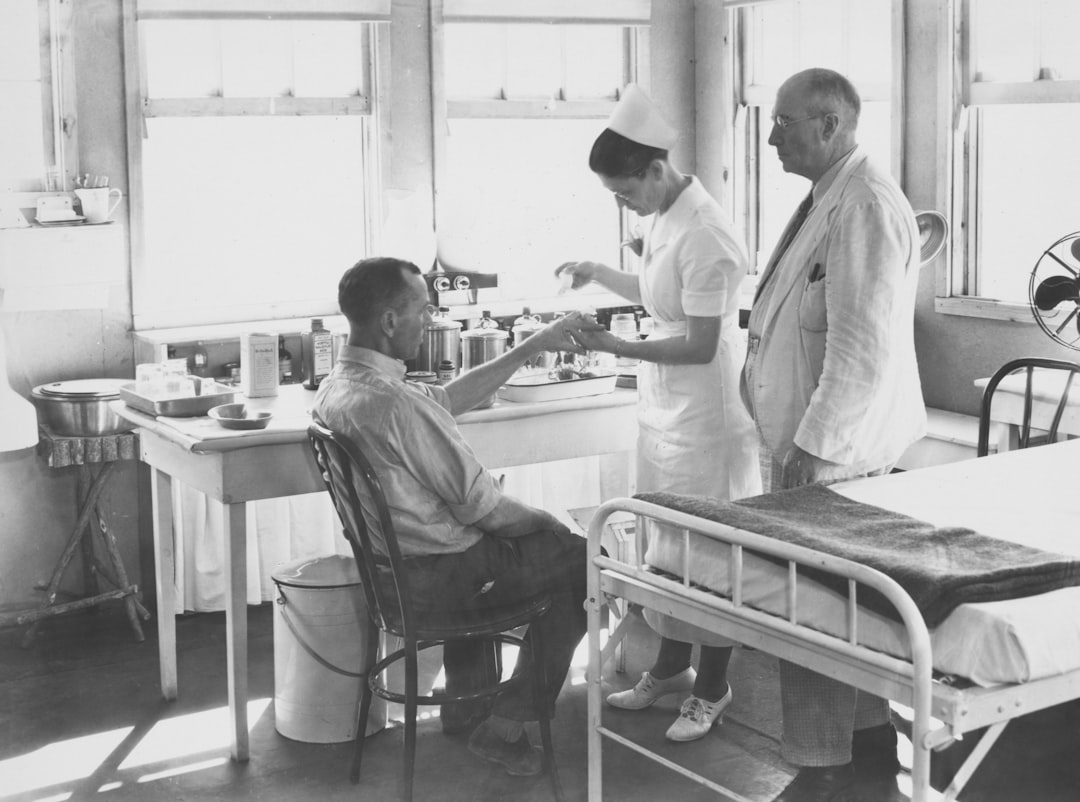
Infection Control Requirements You Must Know
Infection control is the biggest operational concern in any medical facility. Hospitals serve patients with compromised immune systems, open wounds and serious illnesses. A therapy dog visit that introduces bacteria or allergens can cause real harm. Programs take this seriously and so should you.
Before every visit most programs require your dog to be bathed within 24 hours. Nails must be trimmed short and smooth. Ears must be clean and free of discharge. Some facilities require a veterinary health certificate issued within the past 12 months confirming your dog is current on all vaccinations including rabies, distemper and bordetella.
Handlers are expected to wash hands before and after each patient room. Many hospitals now require handlers to use hospital-grade hand sanitizer at room entry. Some facilities ban therapy dogs from intensive care units, bone marrow transplant floors and neonatal wards entirely. These restrictions are non-negotiable and change from facility to facility.
Your dog must also be flea and tick preventive current at all times. If your dog has any skin condition, wound, eye discharge or loose stool in the days before a visit it is your responsibility to cancel. No exceptions. Infection control compliance is what makes you a trusted partner inside a medical facility.
Patient Consent and Handler Responsibilities
Every patient visit in a hospital therapy dog program requires consent. A nurse or staff coordinator checks in advance whether each patient is willing and medically cleared to receive a visit. You do not enter any room without that clearance being confirmed by staff first.
Some patients are allergic to dogs. Others have cultural or personal reasons for declining. Some are simply too unwell on a given day. A skilled handler never takes this personally and always defers to the nursing staff on patient readiness.
Once inside a room your responsibilities are active not passive. You read the patient's energy. You manage your dog's position so paws never rest on medical equipment, IV lines or call buttons. You keep visits short when a patient seems tired. You watch your dog's stress signals at all times and leave the moment your dog shows discomfort.
Handlers are also required to maintain confidentiality. Anything you hear or see in a patient room stays private. This is not optional. Most hospital volunteer programs require signing a HIPAA-aligned confidentiality agreement before your first visit.
Insurance and Certification Requirements
Hospitals require liability insurance before any therapy dog team sets foot in the building. This protects the facility, the patient and the handler if a dog bites, knocks over equipment or causes any incident during a visit.
The three most recognized certification and insurance providers for hospital programs are Pet Partners, Therapy Dogs International and the AKC Therapy Dog program. Each organization evaluates dog-and-handler teams against behavioral standards and provides liability coverage to active registered teams.
Pet Partners is widely accepted by hospitals and medical facilities nationwide. Their evaluation covers both dog temperament and handler skills. TDI uses a canine Good Citizen framework and has a long track record with facility programs. The AKC Therapy Dog title program recognizes teams that have completed documented visits but requires certification through an affiliated group for insurance coverage.
Some hospitals accept certification from smaller regional organizations. Always confirm with the facility coordinator which organizations they recognize before you pursue a specific pathway. Getting certified through an organization the hospital does not accept means starting over.
If you are still building your dog's foundational skills our therapy dog training guide covers the behavioral benchmarks your dog needs before pursuing any formal evaluation.
Scheduling and Visit Logistics
Hospital therapy dog programs run on fixed schedules coordinated by a volunteer services office. You will typically sign up for regular recurring shifts rather than visiting whenever you feel like it. Many programs ask for at least a one-year commitment and a minimum visit frequency of once or twice per month.
Visits inside hospitals are usually short. A full shift might involve eight to twelve individual room visits across one to two hours. Each visit inside a room is typically five to fifteen minutes. The goal is broad reach not extended contact. Patients in medical settings tire quickly and overly long visits work against your purpose.
You will check in at the volunteer services desk at the start of every shift. Staff will give you a list of cleared patients or escort you to appropriate floors. You badge in and out in most facilities. Some hospitals require a brief debrief with the coordinator after your shift to document which patients were visited.
Transportation logistics are your responsibility. Your dog must ride safely in a vehicle. Many handlers use a crate or secured harness for travel. A dog that arrives stressed from a chaotic car ride is not ready to visit patients. Build calm travel habits into your preparation from the start.
How to Join a Hospital Therapy Dog Program
The process for joining a hospital therapy dog program follows a predictable path. Starting with the right steps will keep you from wasting months on the wrong sequence.
Start by contacting the volunteer services department at the hospital you want to work with. Ask which therapy dog organizations they accept and whether they are currently accepting new teams. Some programs have waitlists. Knowing this before you pursue certification saves significant time.
Next pursue certification through an accepted organization. This typically involves a formal temperament and skills evaluation for your dog and a handler assessment for you. Many evaluations take place through local chapters or approved evaluators. Allow several weeks to schedule and complete this step.
Complete the hospital's volunteer onboarding process. This is separate from your dog certification. It typically involves a background check, orientation training, HIPAA education and a health screening for the handler. Some facilities require proof of current vaccinations for the handler as well as the dog.
Once your paperwork is in order you will usually complete a supervised orientation visit alongside an experienced volunteer before visiting independently. Take this seriously. The orientation visit is where you learn the specific culture and policies of that facility.
Is Your Dog Ready for Hospital Visits?
Not every dog is suited for medical facility work. The environment inside a hospital is genuinely challenging. There are beeping monitors, unfamiliar smells, people in distress and sudden movements. A dog that does well at a park may struggle in this setting.
The dogs who thrive in hospital programs share certain traits. They are calm under novel stimulation. They tolerate being touched by strangers in unexpected ways. They recover quickly from startles. They look to their handler for reassurance rather than reacting independently. They are not food-driven to the point of distraction.
Breed and age matter less than temperament and training history. A well-socialized mixed breed with solid handler focus will outperform an unfocused purebred every time. Most certifying organizations recommend that dogs be at least one year old before pursuing therapy dog evaluation. Many experienced handlers suggest waiting until two years of age for hospital work specifically because the environment is so demanding.
At TheraPetic® Healthcare Provider Group we have spent over a decade supporting individuals and animals in therapeutic roles. As a 501(c)(3) nonprofit our clinical mission centers on connecting people with the right support and documentation to make animal-assisted programs accessible and well-resourced.
If you are ready to explore whether your dog has what it takes for therapy work start with an honest assessment of their baseline skills. Our team is available at help@mypsd.org or by calling (800) 851-4390 to answer questions about the certification process and what clinical standards apply in your area.
Hospital therapy dog programs ask a lot from handlers and dogs alike. The standards exist because the patients you serve are vulnerable and deserve the very best your team can offer. Meeting those standards is not a hurdle. It is the entire point.
Ready to take the next step? Visit go.mypsd.org to connect with our team and learn more about therapy dog pathways and documentation support.
Written By
Ryan Gaughan, BA, CSDT #6202 — Executive Director
TheraPetic® Healthcare Provider Group • About • LinkedIn • ryanjgaughan.com
Clinically Reviewed By
Dr. Patrick Fisher, PhD, NCC, BC-TMH, C-AAIS — Founder & Clinical Director • The Service Animal Expert™
Editorial Review
This article was reviewed by Dr. Patrick Fisher, PhD, NCC, BC-TMH, C-AAIS on July 8, 2026 for accuracy, currency, and clarity. Content is updated when laws or guidance change.