
What Actually Makes a Good Therapy Dog
When people search for the best therapy dog breeds, they often picture a Golden Retriever sitting calmly beside a hospital bed. That image is not wrong. But it is incomplete. The truth about therapy dog breeds is that the breed itself is only one small piece of a much bigger picture.
What evaluators at organizations like Pet Partners, Therapy Dogs International and the AKC Therapy Dog program actually measure is individual temperament. A dog's bloodline does not guarantee anything. A calm, friendly, stable personality does.
At TheraPetic® Healthcare Provider Group, our clinical team has worked alongside therapy dog handlers for years. What we see consistently is that the dogs who thrive in facility visits share certain qualities that cross every breed line imaginable.
Breeds That Often Excel in Therapy Work
Some breeds do appear more frequently in therapy programs. That is not coincidence. Certain breeds were developed with traits that align naturally with what therapy work demands: patience, a gentle mouth, comfort with strangers and a relaxed response to unpredictable environments.
Golden Retrievers and Labrador Retrievers top most lists for good reason. They were bred to work closely with humans, to take direction calmly and to stay focused even in stimulating settings. Their natural warmth with strangers is a real advantage when visiting a patient who may be scared or in pain.
Cavalier King Charles Spaniels are another strong match. Their small size makes them easy to place on laps or in wheelchairs. Their quiet disposition tends to suit hospital wards and senior care settings especially well.
Standard Poodles are often overlooked in conversations about therapy dog breeds. They are exceptionally intelligent, highly trainable and they carry themselves with a calm confidence that reads well in clinical settings. Their low-shedding coat is also a practical benefit in allergy-sensitive facilities.
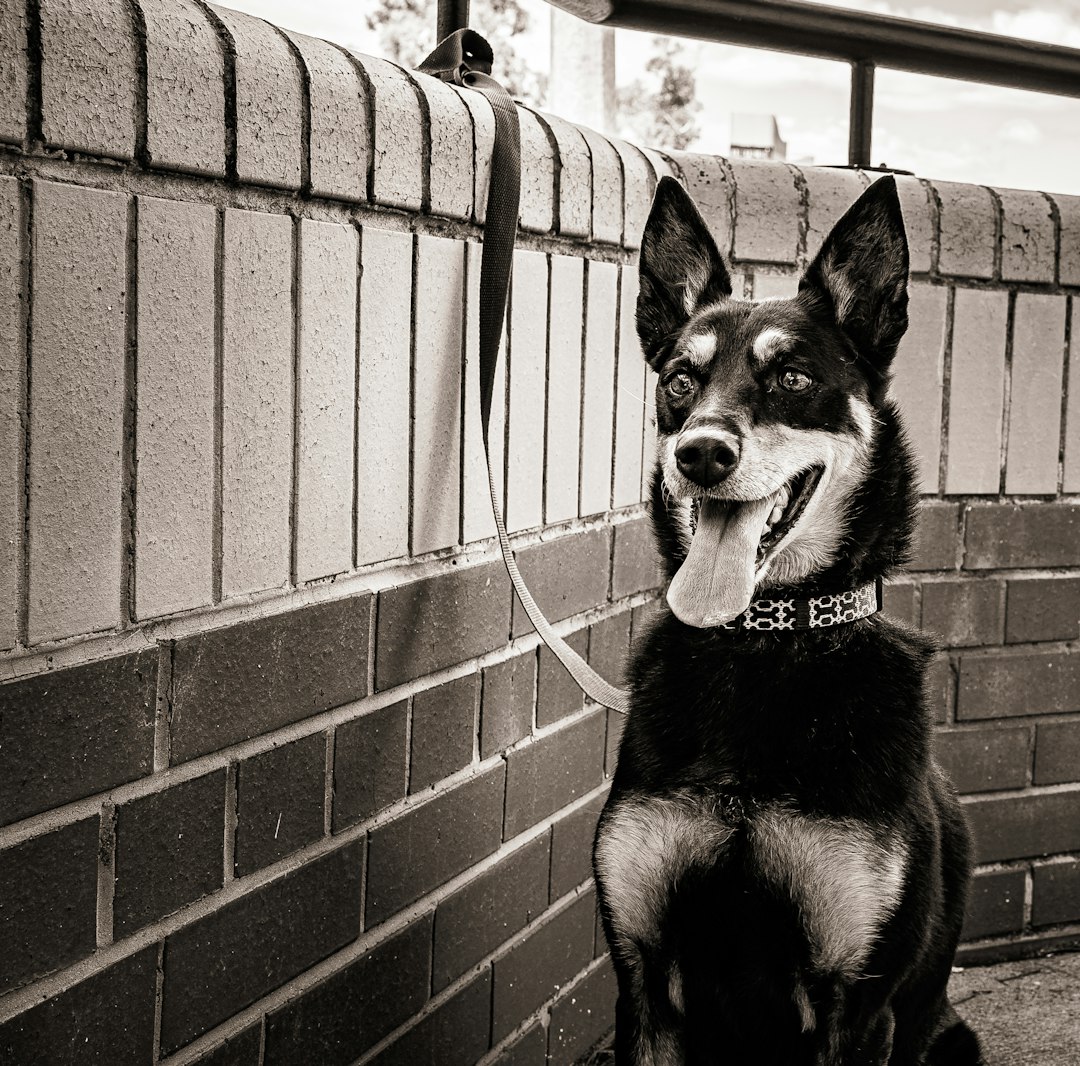
German Shepherds, Border Collies and other working breeds can absolutely succeed in therapy work. The key word is "can." These breeds are also high-energy and mentally demanding. Without the right individual temperament and thorough training, they may find repetitive facility visits stressful rather than rewarding.
Small Breeds Deserve a Spot in the Room
There is a bias in therapy dog culture toward larger, more imposing dogs. It is understandable. A big Golden sitting on the floor looks like safety and warmth. But small breeds bring something different to the table, and many facilities actively request them.
Pugs, Shih Tzus, Maltese and Bichon Frises are all commonly seen in certified therapy programs. Their size makes them easy to lift onto a bed. Their faces tend to draw immediate smiles. Patients who are frail, elderly or recovering from surgery often feel more comfortable with a smaller dog in their space.
Chihuahuas sometimes surprise people. A Chihuahua with the right temperament, one that is genuinely relaxed with strangers and tolerant of handling, can be a remarkably effective therapy dog. The challenge with smaller breeds is that nervous energy can read more intensely on a small frame. Evaluators watch for that closely.
The certification process treats all dogs equally regardless of size. Pet Partners and the AKC Therapy Dog program both evaluate small and large breeds using the same behavioral standards. A 10-pound dog that passes is just as certified as a 100-pound dog that passes.
Mixed Breeds Are Just as Qualified
One of the most important things to understand about therapy dog breeds is that mixed breeds are fully eligible for every major certification program. Pet Partners, Therapy Dogs International and the AKC Therapy Dog program all accept mixed-breed dogs.
Mixed-breed dogs often benefit from what breeders call hybrid vigor. They can be physically healthier than some purebred lines. More importantly for therapy work, they tend to show a wider range of natural temperament profiles. Some of the most gifted therapy dogs working today have no known pedigree at all.
What a mixed-breed dog needs is exactly what a purebred dog needs: a stable, friendly disposition, solid obedience training, comfort with unpredictable environments and a genuine ease around strangers. Paperwork about ancestry does not factor into any evaluation.
If you adopted your dog from a shelter and you are wondering whether they have what it takes, the honest answer is that breed background is not the deciding factor. Temperament is. That is what the assessment will measure.
What Evaluators Look for During Assessment
Major therapy dog organizations have developed detailed evaluation frameworks. Understanding what evaluators look for helps you prepare your dog and assess your own chances realistically before investing in formal certification.
Pet Partners uses a team evaluation model where both the handler and the animal are assessed together. Evaluators watch for predictable, controllable behavior in a staged environment that mimics the sensory chaos of a real facility visit. Sudden noises, unusual equipment, unfamiliar people moving in unexpected ways: the dog must stay grounded through all of it.
The AKC Therapy Dog title requires dogs to first earn a Canine Good Citizen certification. The CGC test covers 10 behavioral skills including accepting a friendly stranger, sitting politely for petting, walking on a loose leash and reacting calmly to distractions. It is a meaningful baseline, not a rubber stamp.
Therapy Dogs International evaluators look specifically at a dog's response to being handled by strangers. In clinical settings, patients often reach out impulsively. A child in a hospital might grab an ear. An elderly patient might clutch a paw tightly. The dog must accept that without flinching, growling or pulling away.
Across all programs, evaluators are watching for the same core traits: friendliness without hyperactivity, confidence without aggression, and the ability to recover quickly from startling or uncomfortable moments. That recovery time, how fast a dog returns to calm after something unexpected, is one of the clearest indicators of suitability for therapy work.

The Training Pathway Before Certification
Certification does not happen overnight and it should not. Responsible therapy dog certification is the result of months of intentional training and real-world socialization.
The foundation is basic obedience. Your dog should respond reliably to sit, stay, down, come and leave it in a wide range of environments. Not just in your living room. On a busy street, in a crowded waiting room, in an elevator. Reliability across environments is what separates a dog that behaves at home from a dog that is safe in a facility.
Beyond obedience, your dog needs deliberate exposure to the kinds of stimuli they will encounter on visits. Wheelchairs, walkers, IV poles, unusual smells, people in masks or gowns, children moving unpredictably and loud overhead announcements. Each of these is something evaluators may test and something your dog will absolutely encounter on real visits.
Handlers are also trained as part of the process. You learn how to read your dog's stress signals, how to end a visit when your dog has reached their limit and how to navigate the specific protocols of different facility types. The therapy dog training process is as much about building your skills as your dog's skills.
TheraPetic® Healthcare Provider Group is a 501(c)(3) nonprofit committed to expanding access to animal-assisted support. We believe that well-prepared handler-dog teams make a genuine difference in the lives of the people they visit. That mission shapes everything we publish and every resource we offer.
How Temperament Testing Works
Formal temperament testing is different from a standard obedience evaluation. It is designed to reveal how a dog responds under mild stress, not just whether they know their commands.
A trained evaluator will typically walk the dog through a series of controlled scenarios. They might drop a metal bowl nearby to test the startle response. They might approach the dog in an awkward or unsteady way to simulate how a patient using a walker might move. They may have a stranger crouch down and make direct eye contact to see how the dog responds to socially intense situations.
A dog that passes is not necessarily a dog that shows no reaction. Dogs are allowed to be mildly startled. What evaluators want to see is recovery. A dog that flinches at a loud sound but returns to a relaxed posture within seconds is demonstrating exactly the kind of emotional resilience that therapy work requires.
Dogs that show any signs of fear-based aggression, resource guarding or persistent anxiety are not cleared for certification regardless of their breed or training history. This protects patients and it also protects the dogs. Therapy work should be enjoyable for the dog, not a source of chronic stress.
The American Kennel Club provides detailed guidance on temperament standards that align with therapy dog certification requirements. You can review the official AKC Canine Good Citizen framework at akc.org as a starting point for understanding what evaluators expect.
Getting Started With Your Dog
The best first step is an honest self-assessment. Watch your dog in different environments. Take them to a busy park, a pet-friendly store and a loud public event. Notice how they respond when a stranger approaches enthusiastically. Notice whether they bounce back quickly from surprises or stay unsettled for a long time afterward.
If your dog handles those situations with ease and genuinely enjoys meeting new people, they may have the raw material for therapy work. The next step is building the obedience foundation and beginning formal socialization work with therapy settings in mind.
You can learn more about what the initial screening process involves and whether your dog is a good candidate before committing to a full certification pathway. Starting with an honest evaluation saves time and sets realistic expectations.
Breed is a starting point in a conversation, not a finish line. The dog sitting next to a patient who needs comfort today might be a Golden Retriever, a Chihuahua or a shelter mix with no known history. What they all have in common is temperament, training and a handler who prepared them well. That is the real standard for therapy dog certification.
Questions about getting started? Contact the TheraPetic® team at help@mypsd.org or call (800) 851-4390. You can also begin your journey at go.mypsd.org.
Written By
Ryan Gaughan, BA, CSDT #6202 , Executive Director
TheraPetic® Healthcare Provider Group • About • LinkedIn • ryanjgaughan.com
Clinically Reviewed By
Dr. Patrick Fisher, PhD, NCC , Founder & Clinical Director • The Service Animal Expert™
Editorial Review
This article was reviewed by Dr. Patrick Fisher, PhD, NCC on September 19, 2026 for accuracy, currency, and clarity. Content is updated when laws or guidance change.