
What the Therapy Dog Temperament Test Actually Is
The therapy dog temperament test is a structured evaluation that measures how your dog handles stress, strangers, distractions and unpredictable environments. It is not a trick competition. It is a safety check. Evaluators want to know one thing: can this dog stay calm when the world around them gets loud, busy or emotionally intense?
Major organizations like Therapy Dogs International (TDI), Pet Partners and the American Kennel Club (AKC) Therapy Dog program all use their own versions of this evaluation. The core criteria overlap heavily across all three. They are looking for the same fundamental qualities: predictability, gentleness and the ability to recover quickly from stress.
Passing this test is the gateway to certified facility visits. It protects the people your dog will serve. It also protects your dog from being placed in situations that could cause fear or harm. If you are just starting to explore this path, our therapy dog screening overview explains the full process from start to finish.
How Your Dog Reacts to Strangers
The first thing evaluators watch is how your dog greets unfamiliar people. In a real facility visit, your dog will meet dozens of strangers in a single hour. They will reach out with shaky hands, move slowly with walkers, or sit in bed and call your dog over in a quiet voice.
What passes: The dog approaches willingly, tolerates petting from someone they have never met, and stays calm even if that person is wearing a hat, sunglasses or a medical mask. A dog who wags, sniffs gently and allows contact from a stranger scores well here.
What raises a red flag: Flinching hard from an outstretched hand. Growling when a stranger leans over them. Backing away repeatedly and refusing contact. These reactions do not automatically disqualify a dog, but they signal that more desensitization work is needed before evaluation day.
Evaluators are specifically trained to act like hospital patients. They may approach awkwardly, make sudden movements or hug the dog without warning. The dog that holds steady earns the pass.

Handling Loud Noises and Sudden Chaos
Hospitals, nursing homes and schools are noisy places. Alarms go off. Trays drop in cafeterias. Intercoms crackle. Children shriek with excitement. A dog that spooks at loud sounds is a liability in those environments.
The therapy dog temperament test includes deliberate noise challenges. Evaluators may drop a metal object near the dog, clap loudly or have someone shout in another room. The standard is not that the dog ignores the sound completely. The standard is recovery. A dog who startles, then looks at their handler and settles back down within a few seconds passes. A dog who bolts, barks uncontrollably or refuses to re-engage fails this portion.
The AKC Canine Good Citizen test, which many programs require as a prerequisite, includes a distraction test for exactly this reason. If your dog has not yet passed the CGC, that is a smart first milestone. Pet Partners specifically evaluates "stress signals" during noise exposure, including yawning, lip licking and whale eye, as signs the dog is not ready for facility work.
The good news is that sound sensitivity is one of the most trainable issues. Counter-conditioning with high-value treats and gradual exposure to recorded sounds can shift a noise-reactive dog significantly over a few months of consistent practice.
Wheelchairs, IV Poles, and Medical Equipment
This section of the evaluation surprises many handlers. Your dog may have perfect manners at home and in the park. But a wheelchair rolling directly toward them is a different experience entirely. The sound, the movement, the size and the smell can all trigger a reaction that was never visible before.
Evaluators test this directly. During the therapy dog temperament test, a handler will approach with a wheelchair, a walker, a cane or sometimes a mock IV pole. The dog is expected to hold position, allow the equipment to come close and not lunge, cower or fixate on the object.
What evaluators want to see: curiosity or neutrality. A dog who sniffs the wheel of a wheelchair and then looks up at their handler is ideal. A dog who ignores it entirely is also fine. A dog who barks at the chair, backs all the way to the end of the leash or tries to escape the situation does not pass this section.
Preparation here is very specific. Practice at home with umbrellas, rolling suitcases and office chairs before evaluation day. Visit places where wheelchairs are common so your dog builds neutral associations over time. Our guide on therapy dog training foundations covers desensitization timelines and step-by-step approaches for equipment exposure.
Behavior Around Children and Vulnerable Adults
Children and therapy dogs seem like a natural match. But children are also unpredictable. They squeal, run toward dogs, grab ears, pull tails and sometimes fall down right next to a dog. A therapy dog must handle all of that without snapping, growling or panicking.
Evaluators simulate child-like behavior during the temperament assessment. They may hug the dog suddenly, clap in the dog's face or crouch down to the dog's level. The dog is expected to remain calm and soft. Tail wagging is a great sign. Freezing, stiffening or showing teeth is a disqualifying response.
For vulnerable adults, the scenario shifts. A person may cry during a therapy visit. They may be confused, move erratically or grab the dog's fur too tightly. The dog must tolerate this without retaliation. Pet Partners calls this the "clumsy petting" test. An evaluator grips the dog's fur firmly and watches for any sign of aggression or extreme distress.
Dogs that pull away from this kind of touch consistently are not ready for the populations they would serve. That is not a permanent state. Many dogs need six to twelve months of socialization with varied populations before they are genuinely comfortable with the full range of human behavior they will encounter in a facility.
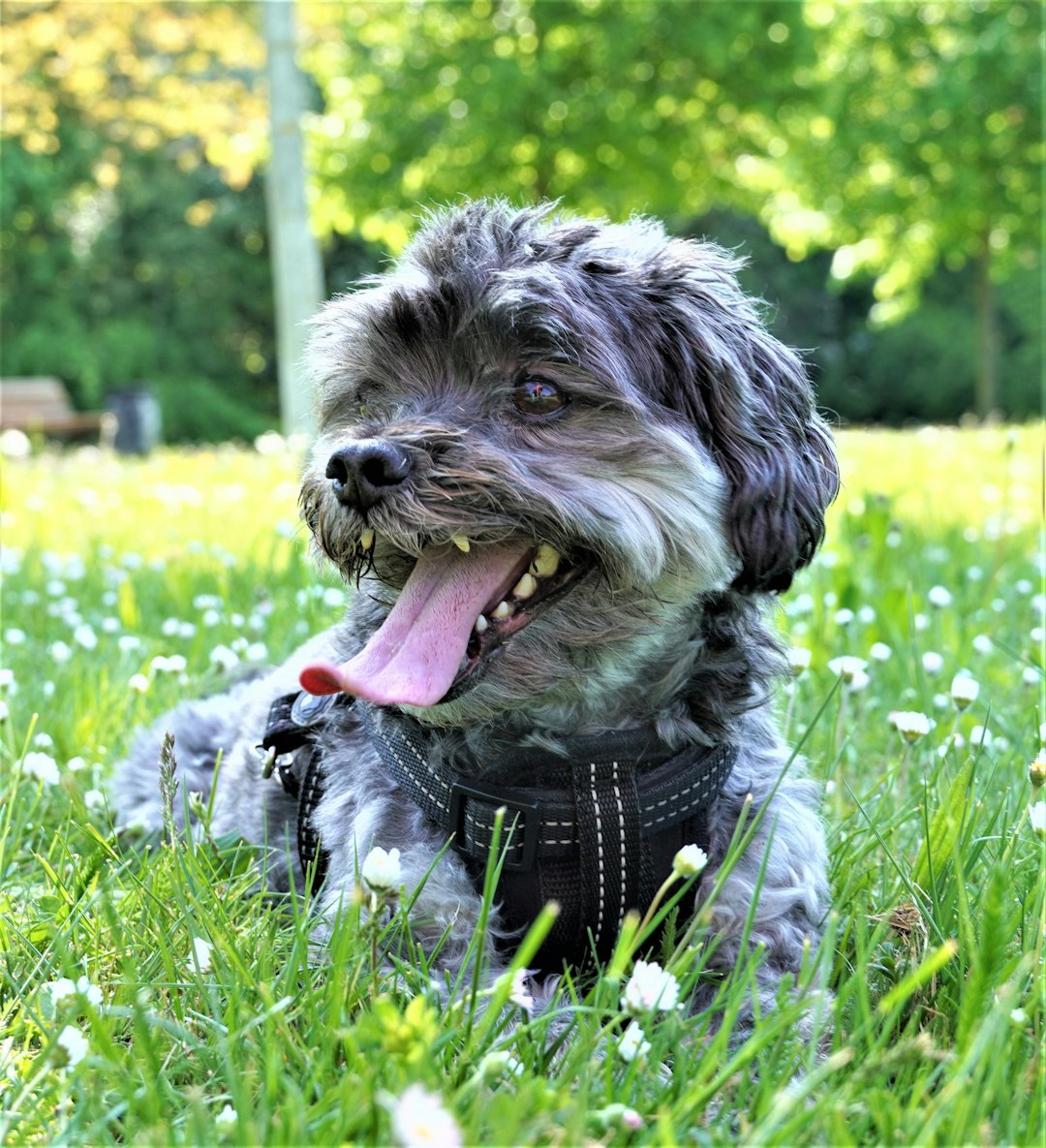
Interactions with Other Animals
Not every facility visit involves other dogs. But many group therapy sessions and school programs include multiple animals. TDI and Pet Partners both evaluate how a candidate dog responds to another dog passing nearby or entering the same space.
The pass standard is loose tolerance. Your dog does not need to love other dogs. They need to walk past another dog without lunging, fixating aggressively or pulling hard enough to disrupt the handler. A dog who glances at another dog, sniffs the air and moves on is exhibiting exactly the calm indifference evaluators want to see.
Dog-to-dog reactivity is the most common reason dogs do not pass on their first evaluation attempt. Leash reactivity especially is a deeply ingrained pattern in many dogs. Structured walks with a certified trainer and consistent threshold-based exposure are the most reliable ways to reduce this behavior before re-evaluation.
TDI evaluations also watch how the handler responds when their dog reacts. A handler who panics, yanks the leash hard or shouts at their dog makes the situation worse and signals to evaluators that the team is not ready. The dog-handler relationship is itself part of the evaluation.
What Passes, What Fails, and What Can Be Trained
Let's be direct about what each outcome means. A dog that growls, snaps, bites or shows any aggression toward a human during the evaluation does not pass. That is a non-negotiable line across all major certification organizations. Safety to vulnerable populations is the single highest priority.
A dog that is extremely fearful, shutting down completely or unable to recover from mild stress is also not ready. Fear is not a discipline problem. Pushing a fearful dog into facility work before they are ready causes harm to the dog and creates risk for patients and residents.
What can be trained: Most things short of true aggression or severe trauma-based fear. Noise sensitivity responds to counter-conditioning. Equipment reactivity responds to gradual exposure. Dog reactivity responds to structured threshold work. Even dogs who fail their first evaluation can come back in six months as genuinely different animals with the right support.
What cannot be changed quickly: A dog with a bite history toward humans requires very careful re-evaluation of the therapy dog path. Not because such dogs cannot improve, but because the timeline is long and the stakes in a facility setting are high. Honest self-assessment here is a kindness to the dog, the handler and the people they would serve.
TheraPetic® Healthcare Provider Group, a 501(c)(3) nonprofit, supports the broader mission of connecting people with animals in therapeutic settings. Our clinical team recognizes that preparing a dog for certification is itself a meaningful process, one that builds the bond between handler and animal in lasting ways.
Getting Your Dog Ready to Evaluate
The most effective preparation starts at least three to six months before your target evaluation date. Use that time to work through the AKC Canine Good Citizen curriculum, even if you plan to certify through TDI or Pet Partners. The CGC covers foundational skills that every therapy dog evaluation builds on.
Find a certified trainer who has experience specifically with therapy dog preparation. General obedience training is helpful, but facility-specific socialization requires intentional exposure to the kinds of environments and people your dog will encounter. Ask your trainer about supervised visits to pet-friendly public spaces where wheelchairs, medical equipment and diverse age groups are present.
Document your preparation. Keep a log of training sessions, environments visited and your dog's reactions over time. Many organizations ask for handler attestation of training history. Your log also helps you spot patterns, areas where your dog is consistently challenged and areas where they have genuinely grown.
When you feel your dog is ready, explore the full certification pathway and evaluation scheduling through our therapy dog readiness screening. You can also review the official Pet Partners evaluation guidelines at petpartners.org and AKC Therapy Dog requirements at the AKC's official site for current program standards.
The therapy dog temperament test is not designed to be a barrier. It is designed to be a guarantee. A guarantee that the dogs entering hospital rooms, pediatric wards and memory care facilities are genuinely ready to bring comfort instead of confusion. When your dog passes, it means something real. That is worth preparing for.
Questions about the evaluation process or certification pathways? Reach out to the TheraPetic® Healthcare Provider Group at help@mypsd.org or call (800) 851-4390. Our team is glad to help you find the right next step.
Written By
Ryan Gaughan, BA, CSDT #6202 — Executive Director
TheraPetic® Healthcare Provider Group • About • LinkedIn • ryanjgaughan.com
Clinically Reviewed By
Dr. Patrick Fisher, PhD, NCC, BC-TMH, C-AAIS — Founder & Clinical Director • The Service Animal Expert™
Editorial Review
This article was reviewed by Dr. Patrick Fisher, PhD, NCC, BC-TMH, C-AAIS on July 11, 2026 for accuracy, currency, and clarity. Content is updated when laws or guidance change.